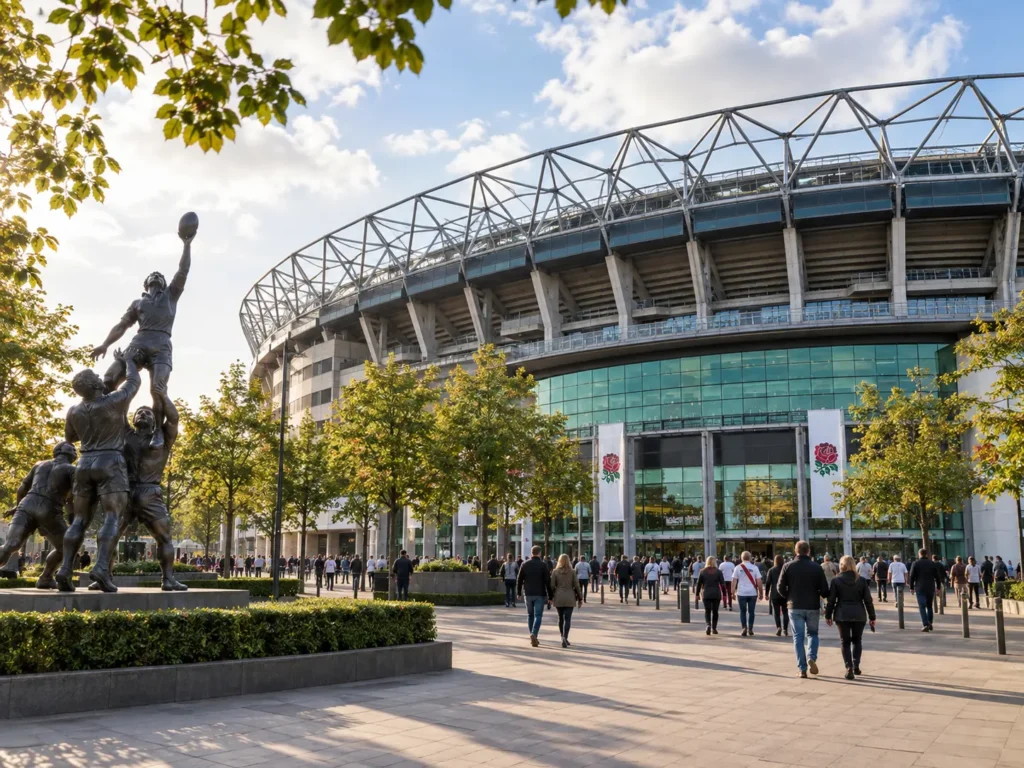
Twickenham has low-lying riverside streets, drier inland suburbs, and a major stadium that brings big crowds to local pubs and restaurants on match days.
The streets between the town centre and the river, and around St Margarets, sit low. Some of these streets can flood when the Thames is very high, and drainage in those roads can have little capacity in reserve through the winter. A gully that copes in August will not cope in February if it has silted up in between, which is why gully clearing is best done in autumn rather than after a flood.
Inland, Whitton and the streets north of the railway are a more conventional mix of Edwardian and interwar housing on clay pipework, with the joint failures and root ingress that go with it. The stadium adds a particular commercial pattern: pubs, restaurants and hospitality businesses that can be far busier on match days. Grease management sized for a quiet week may not cope with a big event, so the time to jet those lines is before the fixture, not during it.
Low streets near the Thames can lose drainage capacity in winter. Clear the gullies in autumn.
Match days can put far more through a kitchen than usual. Grease systems sized for an average week can struggle.
Whitton and the older streets north of the railway sit on clay pipework with the usual open-joint root problems.
This page covers Twickenham, St Margarets and Whitton (TW1, TW2). If your postcode is on the edge of this area, call and ask rather than assuming.
Call and speak to the engineer. 24 hours a day, including tonight.
Sinks, toilets, gullies and main drains cleared, with the cause identified rather than guessed.
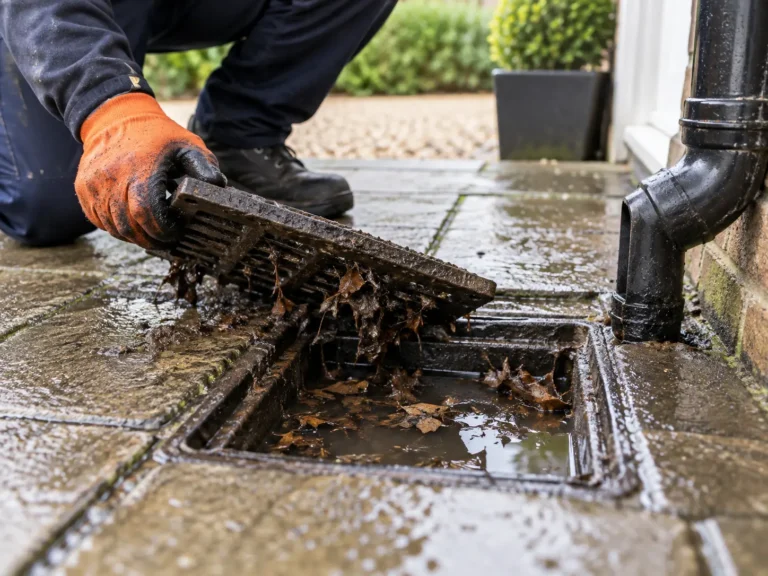
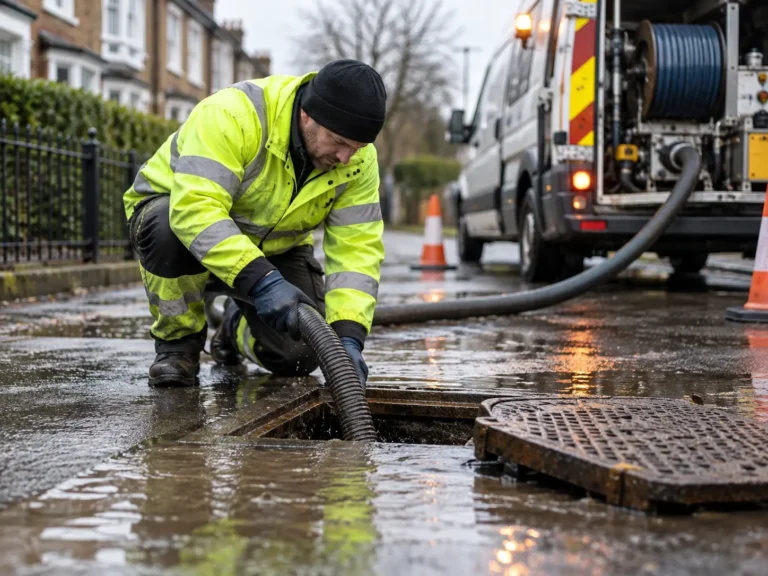
Overflowing gullies and blocked manholes or inspection chambers, cleared and explained.
Toilets that will not flush, or that fill up and will not drain, cleared without damaging the pan or the soil pipe.
Kitchen sinks and waste pipes blocked with grease, cleared properly rather than just poked through.
Standing water in the bath or shower tray, and slow bathroom basins, cleared at the cause.
Sewage backing up, drains overflowing, or a home or business you cannot use until it is fixed. Phone answered 24/7.
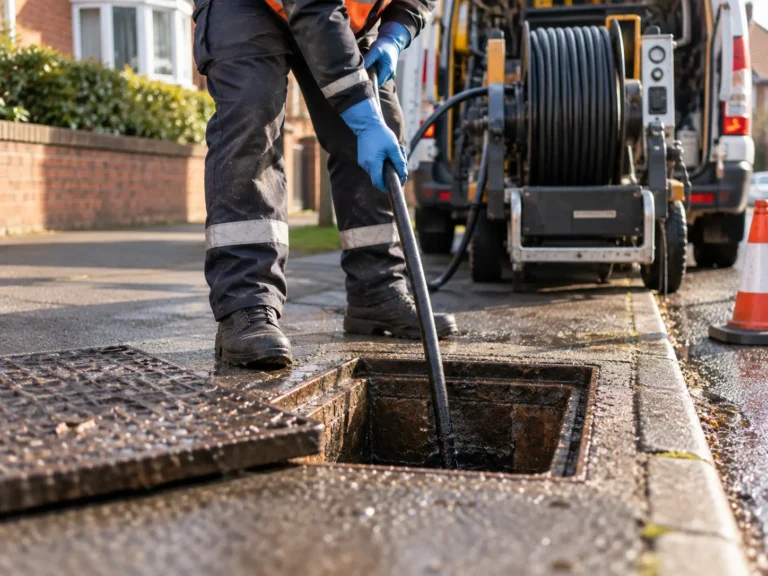
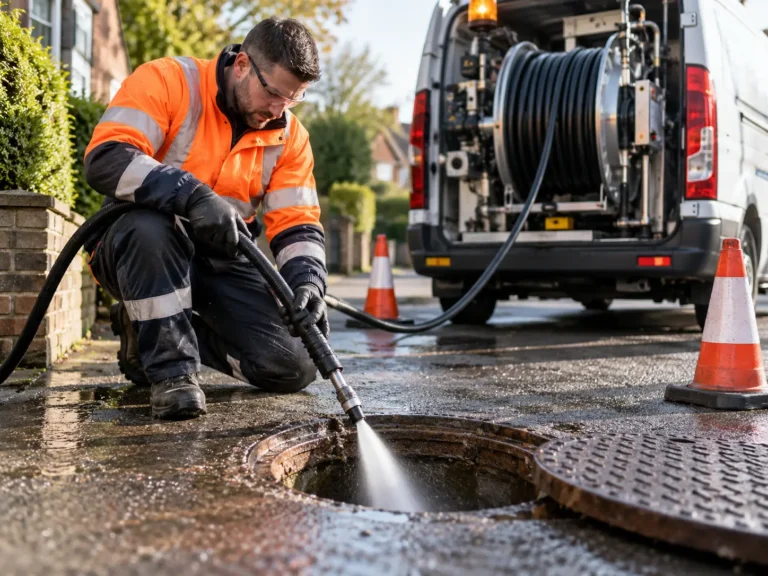
Scours grease, silt, scale and roots off the pipe wall, rather than just making a hole through the blockage.
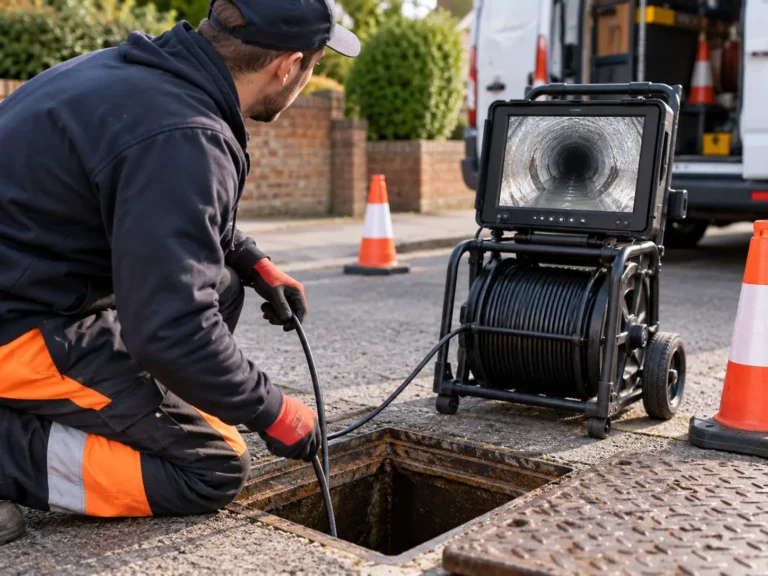
See the inside of the pipe: recurring blockages, pre-purchase checks, insurance and subsidence claims.
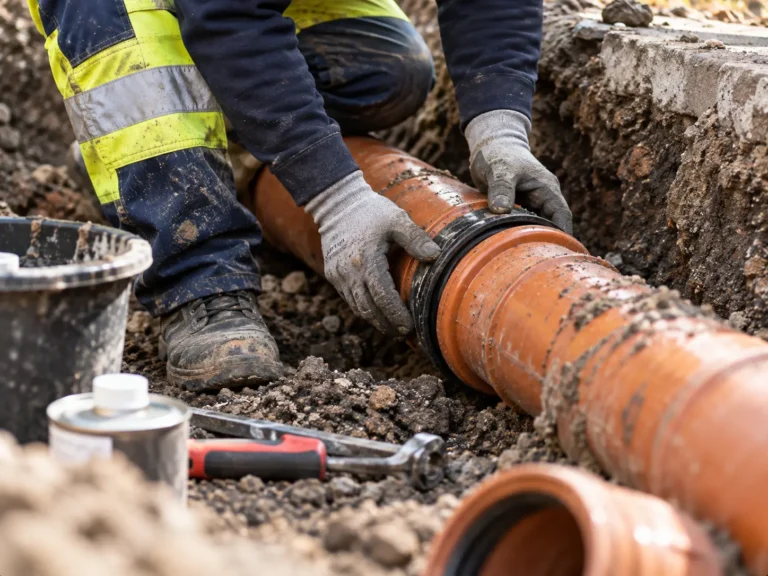
Cracked joints, root damage and collapsed sections, repaired without digging where the pipe allows.
Restaurants, pubs, offices, landlords and managing agents: planned maintenance and out-of-hours call-outs.
Leaks, taps, traps, toilet cisterns and waste pipes: the plumbing that often comes with a drainage job.
Common questions about drainage in Twickenham, answered for the kind of property you find there.
Ahead of the fixture list rather than in response to a problem. A kitchen that copes with a normal week can put much more grease through the line on a big match weekend, and a line that closes then does so at the worst moment. Timing planned jetting around the fixture list usually costs far less than losing a match day’s trade.
Yes, though it will not stop a river flood. What it does is give you back the capacity the drains should have. A silted gully has almost no reserve, so ordinary rain can back up even when the river is nowhere near flooding. Clearing gullies and surface water runs in autumn is the difference between coping with a wet week and not.

Call and speak to the engineer, 24 hours a day, including tonight.