Home Areas we cover

COVERAGE

Areas we cover

We cover 84 towns and neighbourhoods across west and south-west London, Hillingdon, Richmond, Kingston, Surrey and the Thames Valley. They are grouped into 34 area pages, each covering a main town and the neighbourhoods around it, and every one is listed below with its postcode districts. If yours is not here, call and ask, because we would rather tell you straight away than take a booking we cannot serve properly.

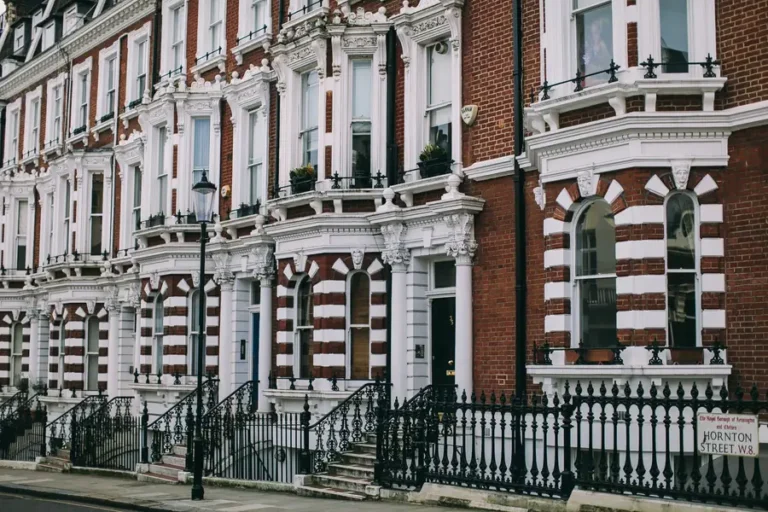
Row of Victorian terraced houses on a London street

We are based in west London, and our coverage runs well beyond it: south through Richmond, Twickenham and Kingston, west through Hillingdon and out into Surrey and the Thames Valley as far as Weybridge, Chertsey and Egham.

Drainage problems vary with the age of the housing, the ground it sits on and how a building is used, so each area page covers the problems that tend to come up there: older clay pipes and tree roots, converted houses with shared soil stacks, riverside ground with a high water table, or busy kitchens on a high street. None of it replaces looking at your drain, but it means we arrive knowing what to check.

EVERY TOWN WE COVER

84 towns and neighbourhoods, covered by 34 area pages

Each town or neighbourhood is listed with its postcode districts and links to the area page that covers it. If yours is not listed, call and ask.

AREA GUIDES

Our 34 area pages

Each page covers a main town and the neighbourhoods around it: the postcodes included, the drainage problems that tend to come up there, and the services available.

Ealing

W5 · W13

Ealing is known as the Queen of the Suburbs for its tree-lined streets and large Victorian and Edwardian houses, and both affect the drains underneath.

Acton

W3 · W4

Many of Acton’s Victorian and Edwardian houses have been converted into flats, and shared drainage in those buildings brings its own problems.

Hanwell

W7

Hanwell sits on the slope down to the River Brent and the Grand Union Canal, and that slope affects how the drains behave.

Greenford

UB6 · UB5

Much of Greenford, Perivale and Northolt was built in the 1920s and 30s on flat clay ground, and the drains reflect both.

Southall

UB1 · UB2

Southall has a busy food trade along The Broadway and King Street, and for those businesses fats, oils and grease are the main drainage issue.

Hammersmith

W6

Hammersmith’s Victorian terraces are closely built and often extended, so reaching the drain can be the hardest part of the job.

Shepherd’s Bush

W12

Shepherd’s Bush has a lot of flats, shared houses and rented property, and drainage used by a lot of people tends to fail in predictable ways.

Chiswick

W4

Two things shape drainage work in Chiswick: conservation areas where digging is not straightforward, and riverside streets where the ground can be wet.

Hounslow

TW3 · TW4 · TW5

Hounslow’s housing runs from Victorian terrace to post-war estate to modern infill, and the drainage under it is just as mixed. Knowing what era you are working on changes the approach.

Isleworth

TW7

Isleworth runs down to a tidal stretch of the Thames beside Syon Park, and how close a property sits to that water changes what goes wrong with its drainage.

Brentford

TW8

Brentford sits where the Grand Union Canal meets the Thames, and in the lower-lying parts of TW8 groundwater can be close to the surface.

Feltham

TW13 · TW14

Feltham, Hanworth and Bedfont sit on flat, low-lying ground near the River Crane and Heathrow, where surface water can be as much of an issue as foul drainage.

Hayes

UB3 · UB4

Hayes grew up around the Grand Union Canal and its factories, and the drainage still reflects that mix of old industrial sites and post-war housing.

Uxbridge

UB8 · UB9 · UB10

Uxbridge has a busy town centre, student and rented housing near the university, and low-lying ground in the Colne valley, each with its own drainage problems.

West Drayton

UB7

West Drayton sits in the Colne valley on gravel, between the river, the Grand Union Canal and old flooded gravel pits, and the ground can be very wet.

Ruislip

HA4

Much of Ruislip and Eastcote is interwar semi-detached housing with long gardens, mature trees and clay soil, and each of those affects the drains.

Richmond

TW9 · TW10

Richmond combines three things that are hard on drainage: old buildings, mature trees, and riverside streets that can flood on very high tides.

Twickenham

TW1 · TW2

Twickenham has low-lying riverside streets, drier inland suburbs, and a major stadium that brings big crowds to local pubs and restaurants on match days.

Teddington

TW11 · TW12

Teddington Lock marks the tidal limit of the Thames, and being near the river can affect how a property’s drains behave.

Hampton

TW12

Hampton sits beside the Thames on river gravel, and near the river the water table can be close enough to the surface to affect the drains.

Barnes & Mortlake

SW13 · SW14

Barnes sits in a loop of the Thames, and some of the lowest streets near the river can flood on very high tides.

Kingston upon Thames

KT1 · KT2 · SW15

Kingston is a busy riverside town centre wrapped in suburbs, and the drainage problems change depending on which of those you are in.

Surbiton

KT5 · KT6 · KT7 · KT9

Surbiton grew as a Victorian railway suburb of large villas, and many of those houses are now flats sharing drainage designed for one household.

New Malden

KT3 · KT4

New Malden combines a busy High Street with plenty of restaurants and food businesses, and streets of 1930s semis on clay. The two produce very different drainage work.

Esher

KT10 · KT11 · KT22

Many homes in Esher, Cobham and Oxshott sit on large plots, and the drainage question is often distance: how far the pipe runs, and how much of it is yours.

Walton-on-Thames

KT12

Walton-on-Thames sits on river gravel beside the Thames, and in the lower-lying streets groundwater can affect the drains.

Weybridge

KT13 · KT15 · KT16

Weybridge sits where the River Wey meets the Thames, with private estates on higher ground and lower, wetter land along both rivers.

Staines-upon-Thames

TW18 · TW20

Much of Staines-upon-Thames sits low on the Thames floodplain, and drainage here has to cope with wet ground and flood risk.

Ashford

TW15 · TW19

Ashford and Stanwell sit on flat, low-lying ground between the reservoirs and Heathrow, and that shapes how the drains behave.

Sunbury-on-Thames

TW16

Sunbury-on-Thames runs from an old riverside village to interwar and post-war suburbs, with the Thames on one side and reservoirs on the other.

Shepperton

TW17

Shepperton has backwaters, islands and marinas along the Thames, and some of its property sits very close to the water.

Wembley

HA0 · HA9 · HA3

Wembley has two very different kinds of drainage side by side: interwar semis on original clay, and large new-build developments around Wembley Park.

Willesden

NW10 · NW2

Willesden and the wider NW10 area range from converted Victorian terraces to the large industrial estate at Park Royal.

Kilburn

NW6

Kilburn has mansion blocks, tall terraces and basement flats, with many households sharing the same drainage.

COVERAGE

Coverage questions

Whether we can get to you, what affects the cost, and what to do if your postcode is not listed.

Possibly. The listed areas are where we normally work, not a hard boundary. Call with your postcode and we will tell you straight away. If you are too far out for us to give you a proper service, we will say so rather than take the booking.

Distance is one of the things that affects what a job costs, along with the work itself, access and the time of day. We discuss the basis of the charge with you on the phone before anything is arranged, so it is settled before we set off.

Yes, and for commercial work we can often be more flexible on distance, particularly for planned maintenance where the visit can be scheduled rather than reactive.

Blocked drain? Let’s get it sorted.

Call and speak to the engineer, 24 hours a day, including tonight.