Isleworth runs down to a tidal stretch of the Thames beside Syon Park, and how close a property sits to that water changes what goes wrong with its drainage.
Old Isleworth, the riverside end around the church and the Duke of Northumberland’s River, sits low and wet. The Thames is still tidal here, and near the river groundwater levels can rise and fall, so drainage with open joints can take water in. Drains in that condition do not run clean: they sit part-full, lose the flow velocity that keeps them scoured, and silt up steadily. The tell-tale sign is fine silt coming back again and again with nothing obvious being put down the drain.
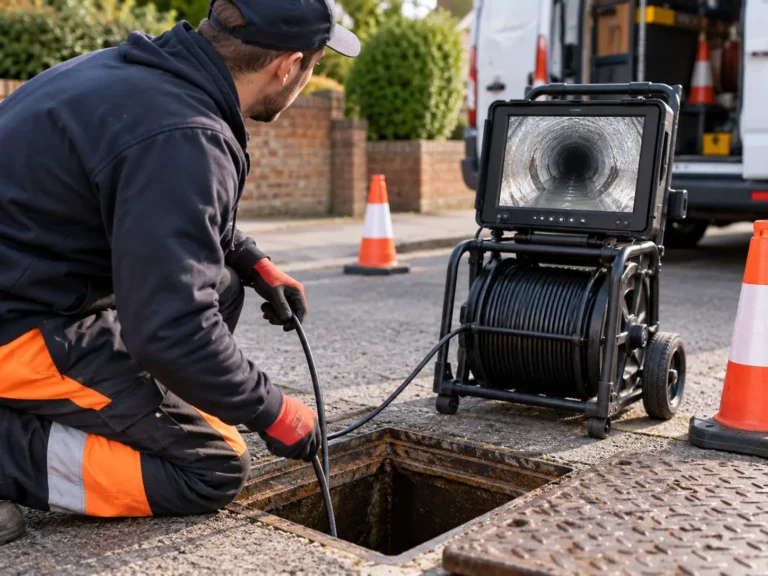
Move up the hill towards the London Road and the picture changes to conventional suburban drainage: Victorian and Edwardian terrace nearer the centre, interwar and post-war housing spreading outwards, and the usual mix of clay joints and root ingress. Isleworth also has larger sites, such as schools, colleges and healthcare buildings, where drainage runs can be long, poorly recorded and shared between blocks. A CCTV drain survey maps them.
Near the tidal river, groundwater can get into open joints, and the drain silts up rather than blocking.
Fine silt returning repeatedly points at infiltration through a defect, not at anything going down the drain.
Larger sites can have old, extensive and poorly recorded drainage. A survey is usually the quickest way to understand it.
This page covers Isleworth (TW7) and the streets around it. If your postcode is on the edge of this area, call and ask rather than assuming.
Call and speak to the engineer. 24 hours a day, including tonight.
Sinks, toilets, gullies and main drains cleared, with the cause identified rather than guessed.
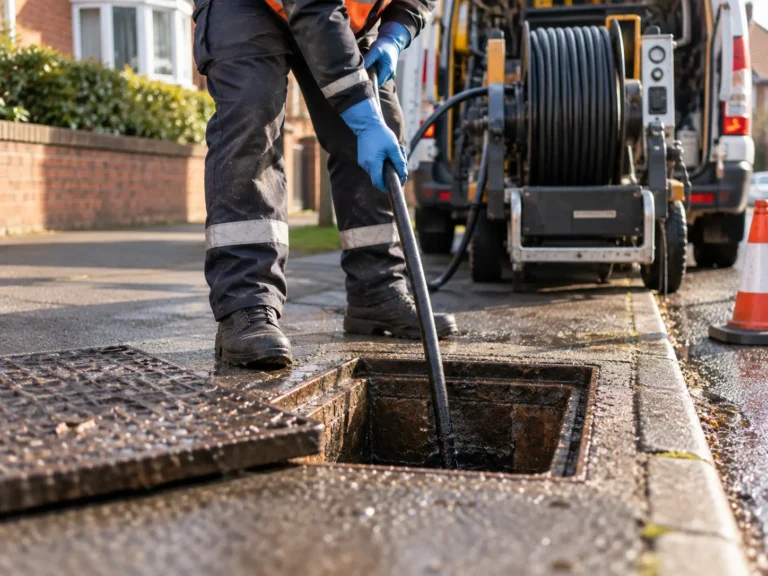
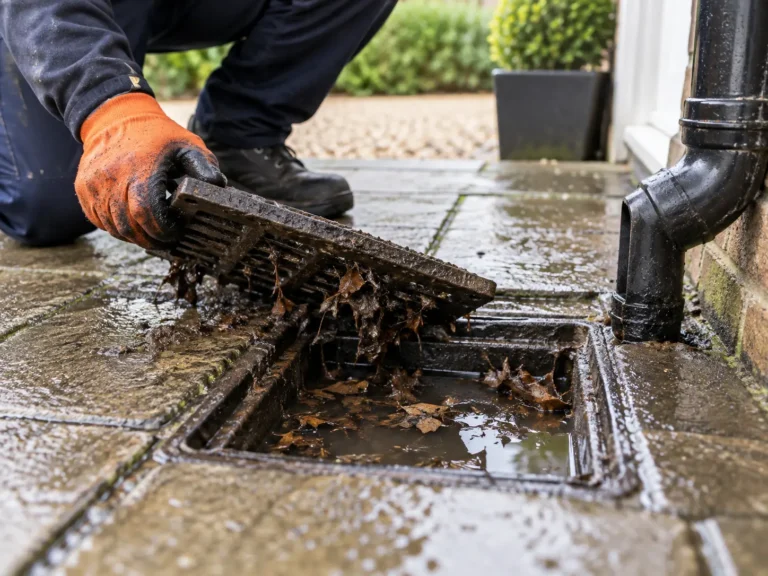
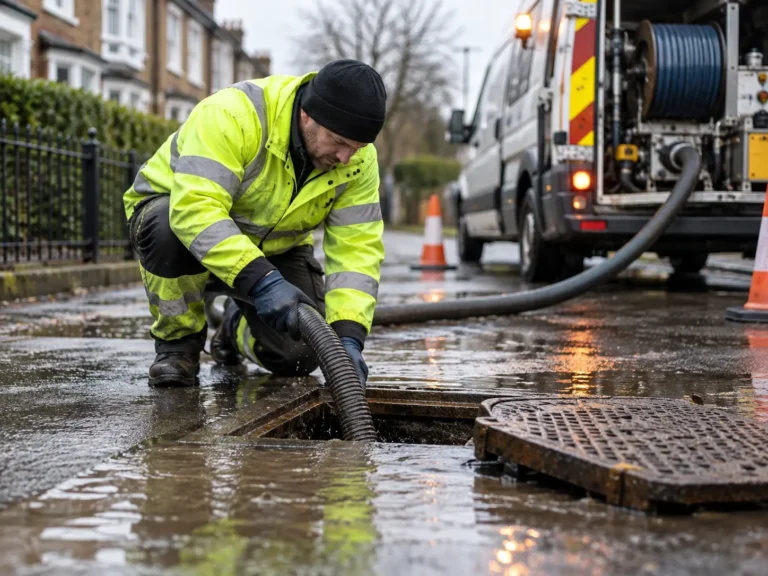
Overflowing gullies and blocked manholes or inspection chambers, cleared and explained.
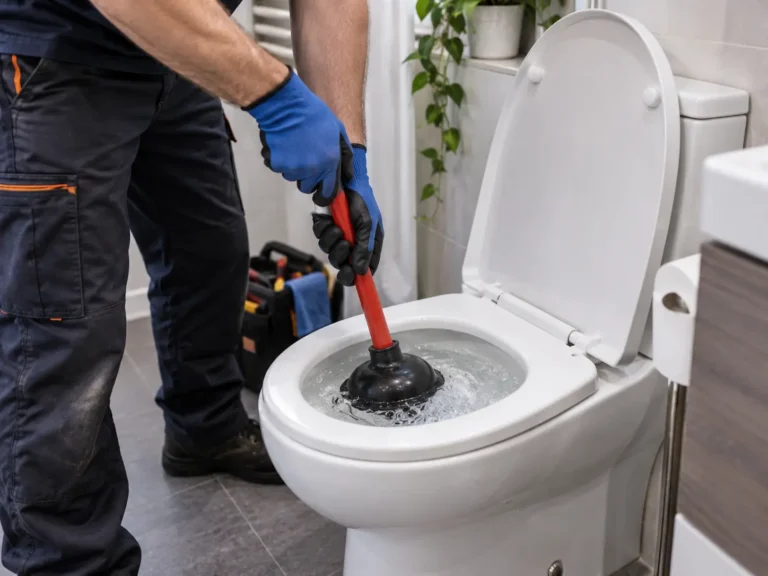
Toilets that will not flush, or that fill up and will not drain, cleared without damaging the pan or the soil pipe.
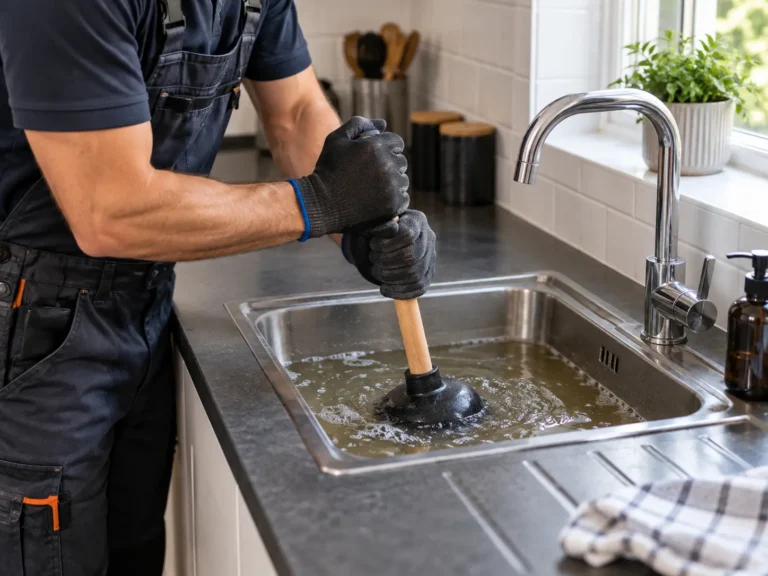
Kitchen sinks and waste pipes blocked with grease, cleared properly rather than just poked through.
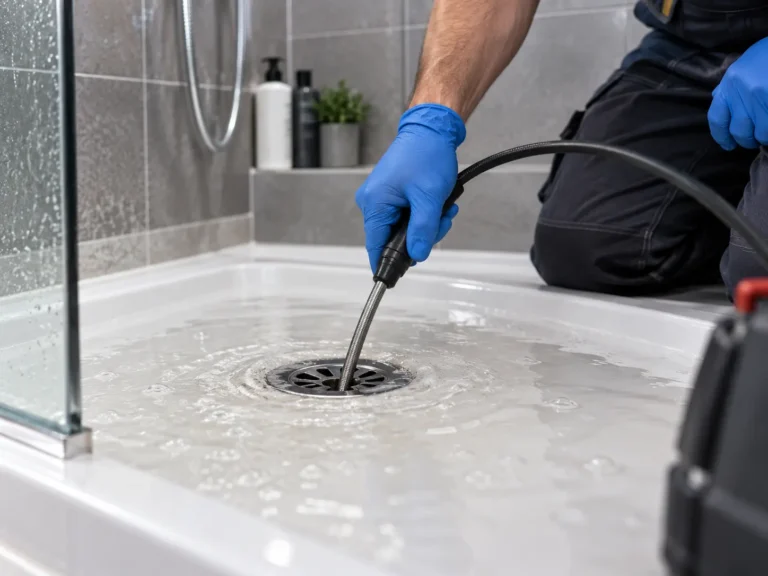
Standing water in the bath or shower tray, and slow bathroom basins, cleared at the cause.
Sewage backing up, drains overflowing, or a home or business you cannot use until it is fixed. Phone answered 24/7.
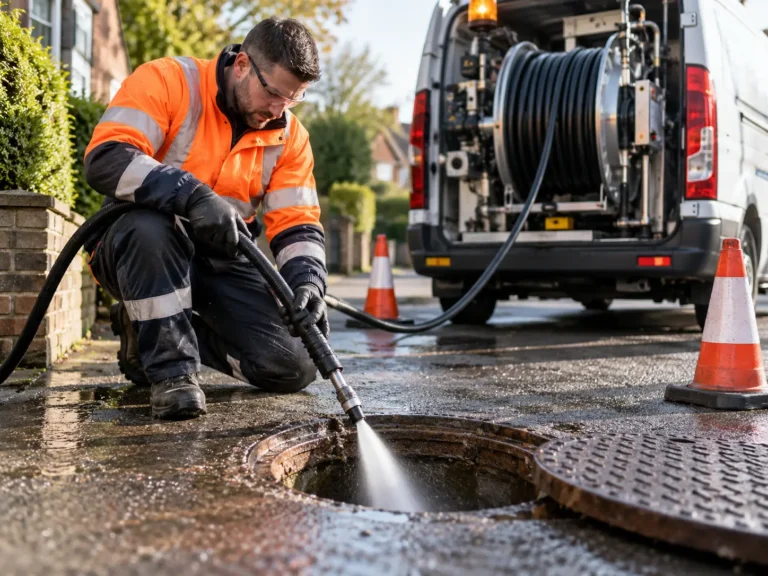
Scours grease, silt, scale and roots off the pipe wall, rather than just making a hole through the blockage.
See the inside of the pipe: recurring blockages, pre-purchase checks, insurance and subsidence claims.
Cracked joints, root damage and collapsed sections, repaired without digging where the pipe allows.
Restaurants, pubs, offices, landlords and managing agents: planned maintenance and out-of-hours call-outs.
Leaks, taps, traps, toilet cisterns and waste pipes: the plumbing that often comes with a drainage job.
Common questions about drainage in Isleworth, answered for the kind of property you find there.
That is very likely groundwater rather than usage. Close to the tidal Thames the water table can rise and fall, and a joint that has opened below it lets water into the pipe continuously. The drain runs part-full, stops self-cleansing and fills with silt. Repeated clearing treats the symptom; finding and sealing the defect is what fixes it.

It is common on older sites with several buildings. A CCTV survey traces the runs and shows which buildings connect where and where the site drainage meets the public sewer. That plan is worth having before you need it in an emergency, and it helps settle responsibility questions.
Call and speak to the engineer, 24 hours a day, including tonight.