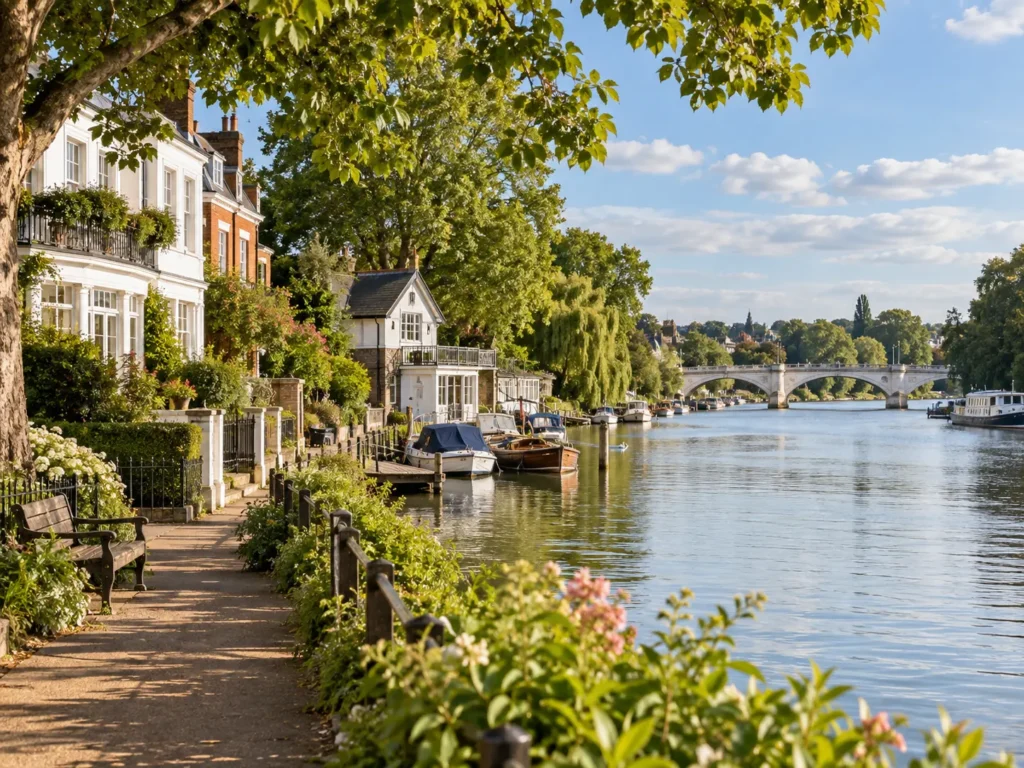
Barnes sits in a loop of the Thames, and some of the lowest streets near the river can flood on very high tides.
Barnes is almost surrounded by the river, and low-lying streets near the towpath can flood on the highest spring tides. Drainage in those roads spends a good part of the year with little capacity to spare, and anything that has silted up over the summer removes what is left. Where the ground is wet, groundwater can get in through open joints, leaving drains running part-full and silting up.
Away from the water, Barnes, Mortlake and East Sheen are solid Victorian and Edwardian terrace and villa stock, much of it in conservation areas where excavation is not straightforward. There are plenty of mature street trees, and roots getting into open clay joints are a common fault. Wet ground and conservation-area limits are both good reasons to consider no-dig lining before anyone digs.
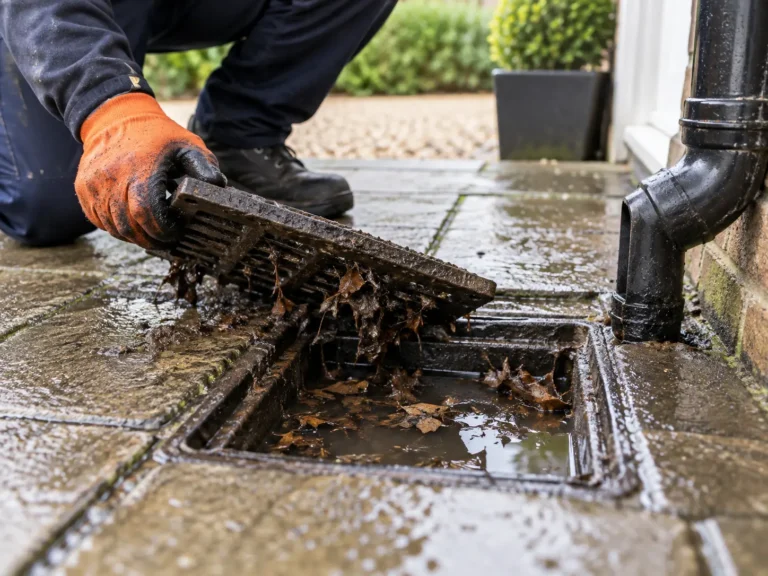
Low streets near the river can flood on very high tides. Clearing gullies before winter helps the drains cope with rain.
Wet ground pushes water into open joints, leaving drains part-full and silting repeatedly.
Digging can be restricted and roots are common. Lining through existing chambers is often the better repair.
This page covers Mortlake, Barnes and East Sheen (SW14, SW13). If your postcode is on the edge of this area, call and ask rather than assuming.
Call and speak to the engineer. 24 hours a day, including tonight.
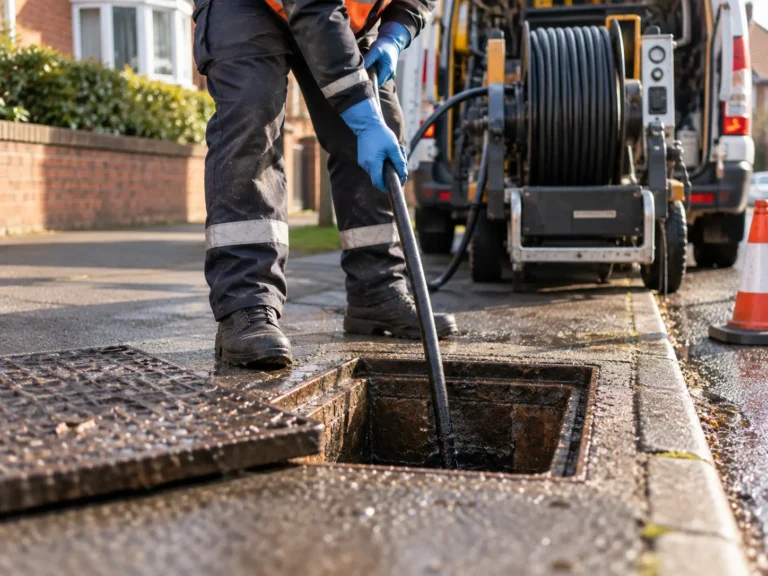
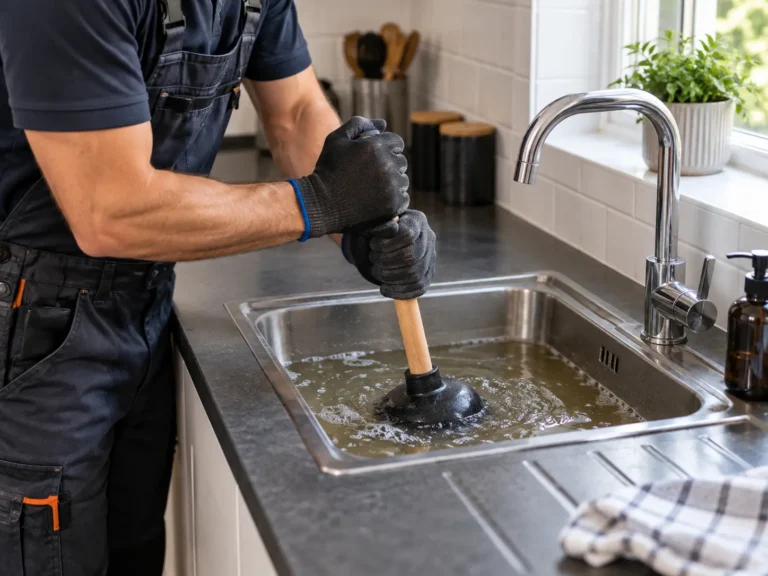
Sinks, toilets, gullies and main drains cleared, with the cause identified rather than guessed.
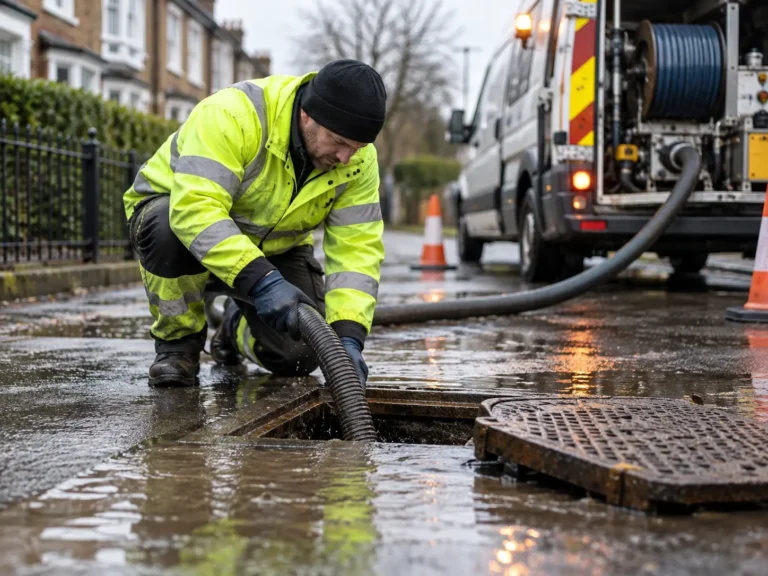
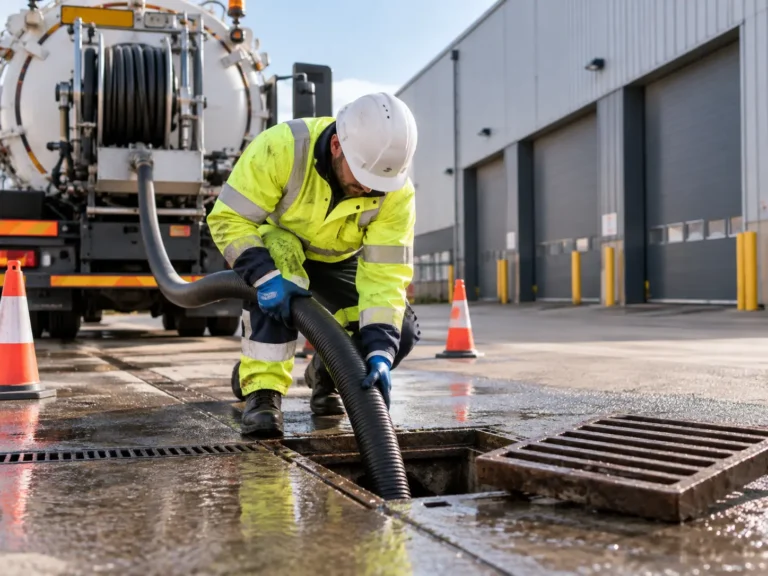
Overflowing gullies and blocked manholes or inspection chambers, cleared and explained.
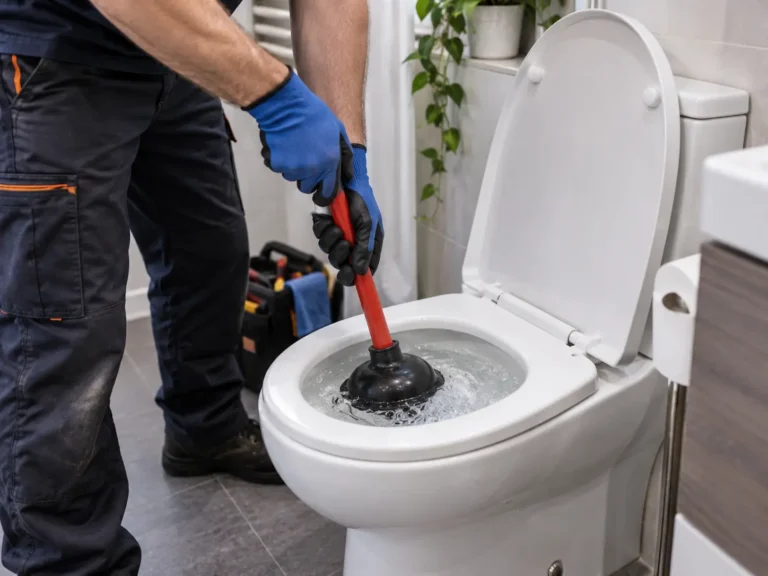
Toilets that will not flush, or that fill up and will not drain, cleared without damaging the pan or the soil pipe.
Kitchen sinks and waste pipes blocked with grease, cleared properly rather than just poked through.
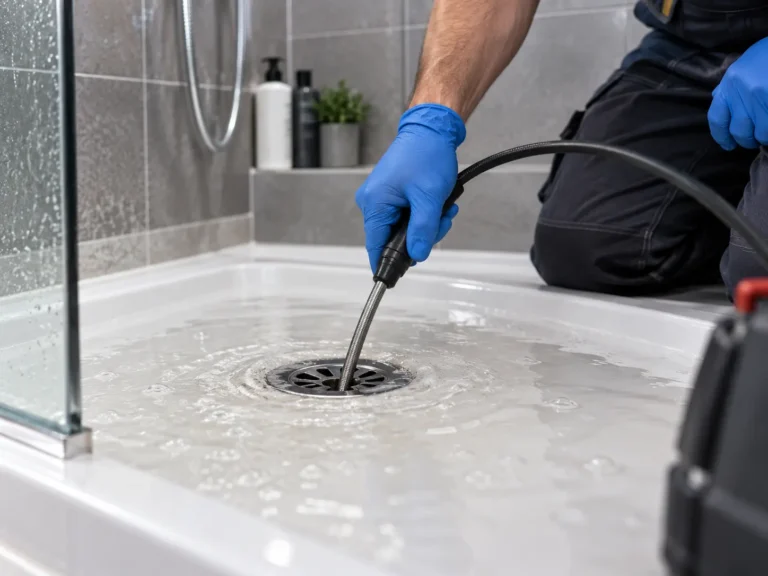
Standing water in the bath or shower tray, and slow bathroom basins, cleared at the cause.
Sewage backing up, drains overflowing, or a home or business you cannot use until it is fixed. Phone answered 24/7.
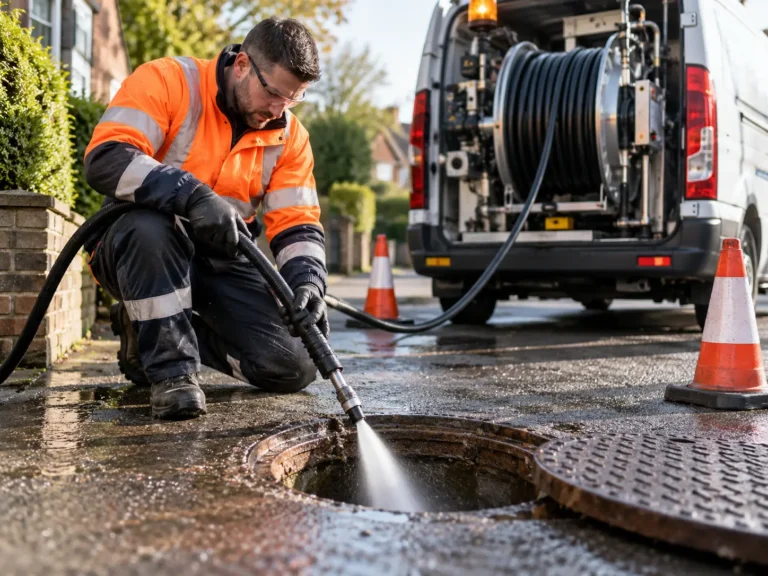
Scours grease, silt, scale and roots off the pipe wall, rather than just making a hole through the blockage.
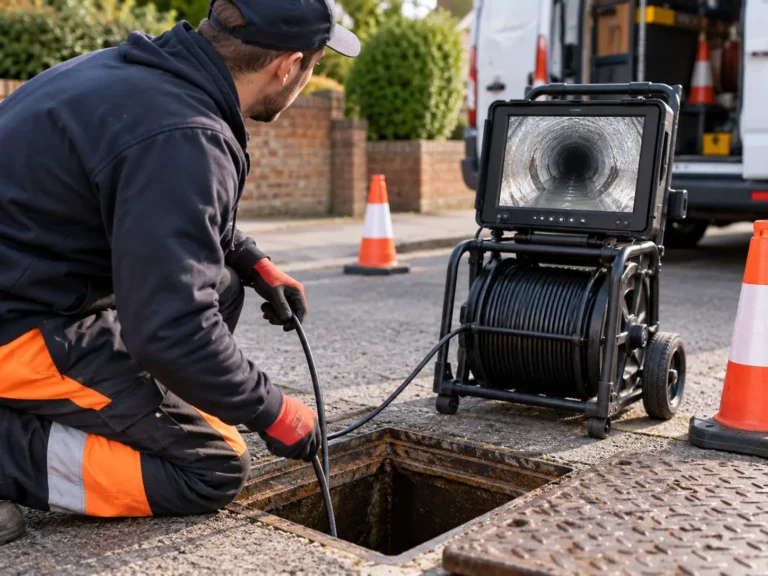
See the inside of the pipe: recurring blockages, pre-purchase checks, insurance and subsidence claims.
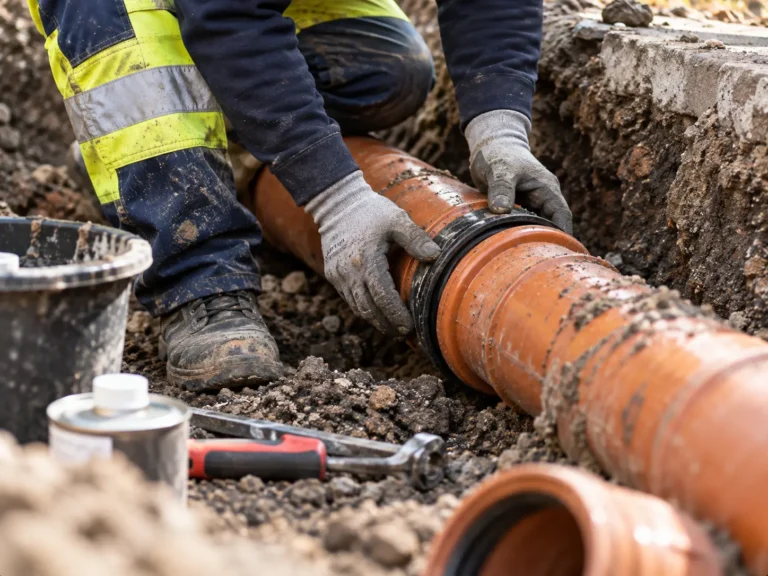
Cracked joints, root damage and collapsed sections, repaired without digging where the pipe allows.
Restaurants, pubs, offices, landlords and managing agents: planned maintenance and out-of-hours call-outs.
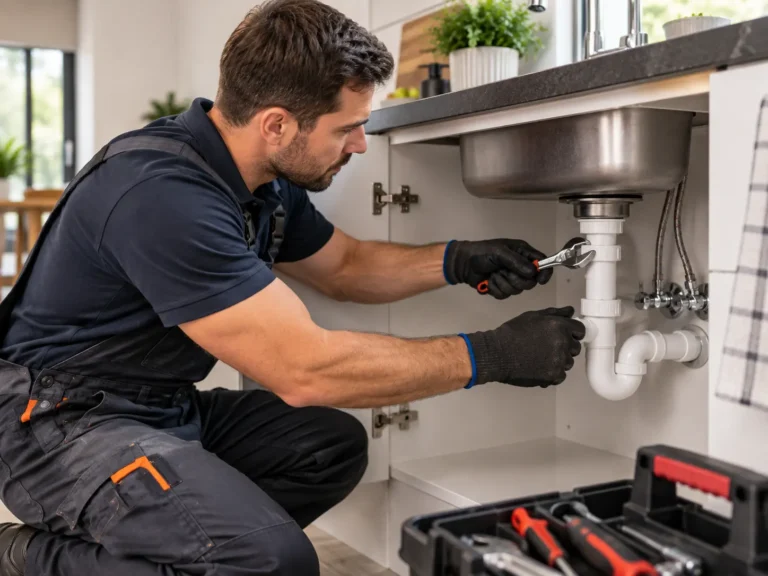
Leaks, taps, traps, toilet cisterns and waste pipes: the plumbing that often comes with a drainage job.
Common questions about drainage in Barnes & Mortlake, answered for the kind of property you find there.
It will not hold back the river, but it restores the capacity you should have. A silted gully has essentially no reserve, so ordinary heavy rain backs up long before the tide is a factor. Clearing gullies and surface water runs in autumn is what makes an ordinary wet spell manageable.
Often, yes. Patch lining seals a cracked or root-damaged joint from inside the pipe, working through existing inspection chambers, so there is no excavation. It needs the pipe to be structurally present and reasonably in line, which a camera survey establishes first.

Call and speak to the engineer, 24 hours a day, including tonight.