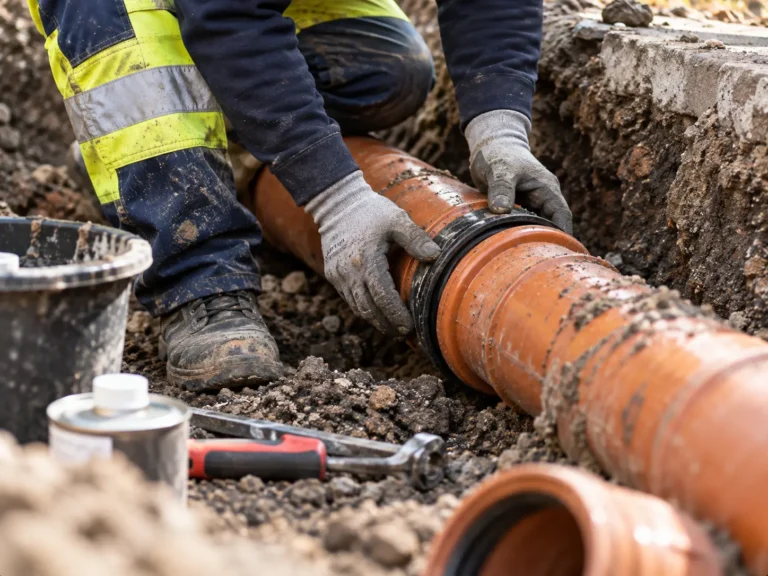
Much of Greenford, Perivale and Northolt was built in the 1920s and 30s on flat clay ground, and the drains reflect both.
Flat ground is a big part of the problem here. Drainage laid across a level site has minimal fall, so waste moves slowly and anything heavier than water tends to settle rather than being carried away. Combine that with clay pipework laid in the 1930s and you get runs that silt up steadily rather than blocking suddenly, so a drain that has been getting slower for months is a familiar story.
Clay soil also shrinks in a dry summer and swells back through winter, and drainage laid in the 1930s has moved with it ever since. A long dry spell can open or crack joints, with problems showing up in the months that follow. Alongside the housing, the Grand Union corridor through Perivale and the trading estates around Greenford bring commercial drainage with a very different load: yard gullies, interceptors and surface water systems that silt up quietly until the first heavy rain finds them. Jetting clears silted runs properly.
Level sites give drainage very little help. Runs silt up gradually, so the symptom is a slow drain rather than a sudden blockage.
Dry summers can open joints in 1930s clay, with blockages following months later.
Trading estates have yard gullies, surface water drains and interceptors that are easy to forget until it rains hard.
This page covers Greenford, Perivale and Northolt (UB6, UB5). If your postcode is on the edge of this area, call and ask rather than assuming.
Call and speak to the engineer. 24 hours a day, including tonight.
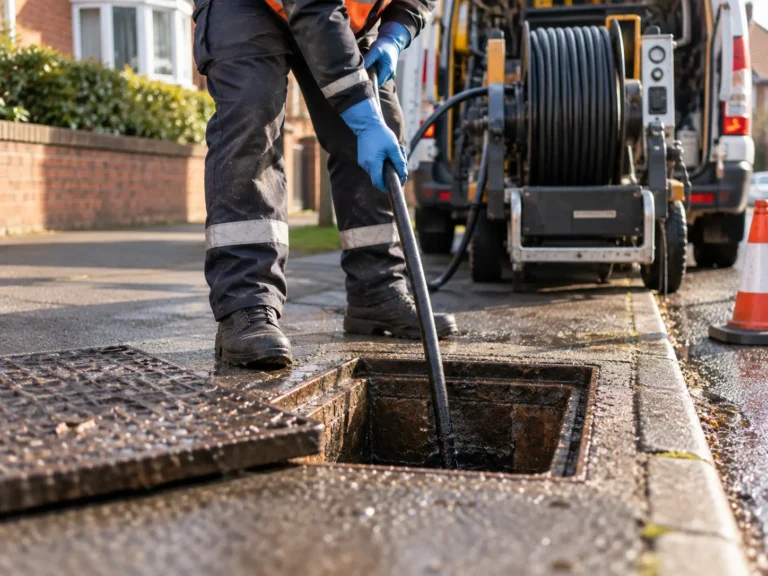
Sinks, toilets, gullies and main drains cleared, with the cause identified rather than guessed.
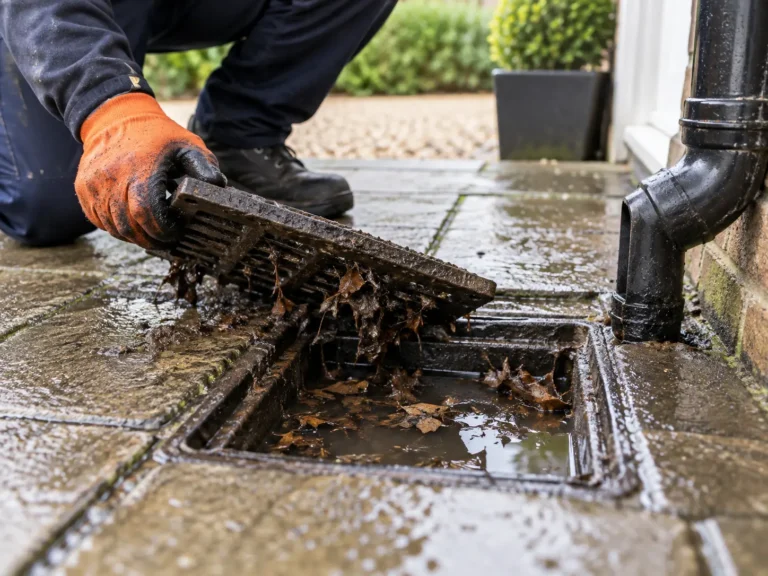
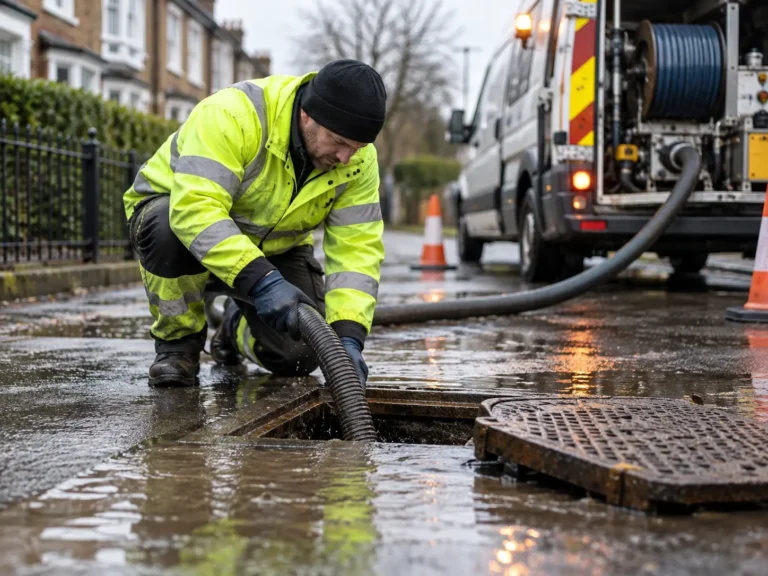
Overflowing gullies and blocked manholes or inspection chambers, cleared and explained.
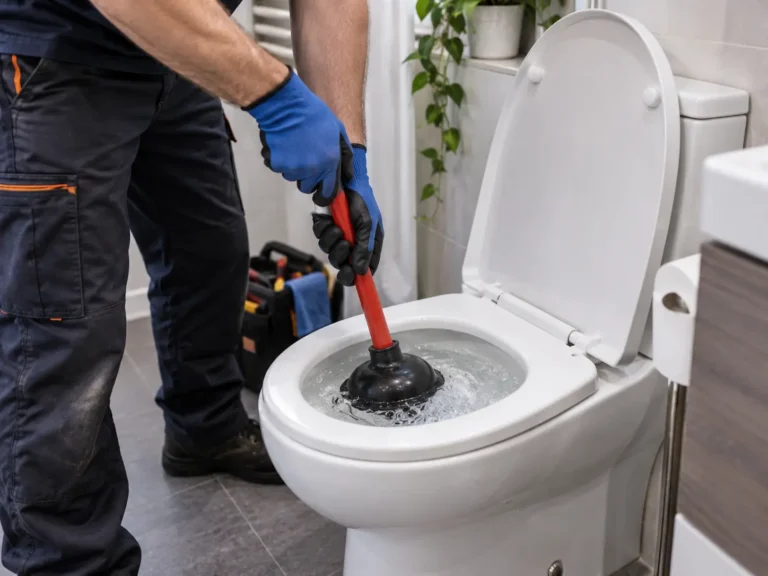
Toilets that will not flush, or that fill up and will not drain, cleared without damaging the pan or the soil pipe.
Kitchen sinks and waste pipes blocked with grease, cleared properly rather than just poked through.
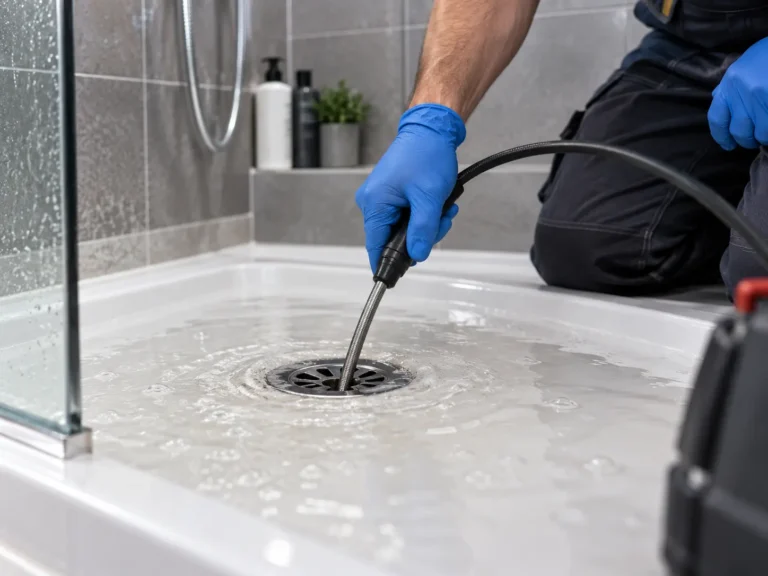
Standing water in the bath or shower tray, and slow bathroom basins, cleared at the cause.
Sewage backing up, drains overflowing, or a home or business you cannot use until it is fixed. Phone answered 24/7.
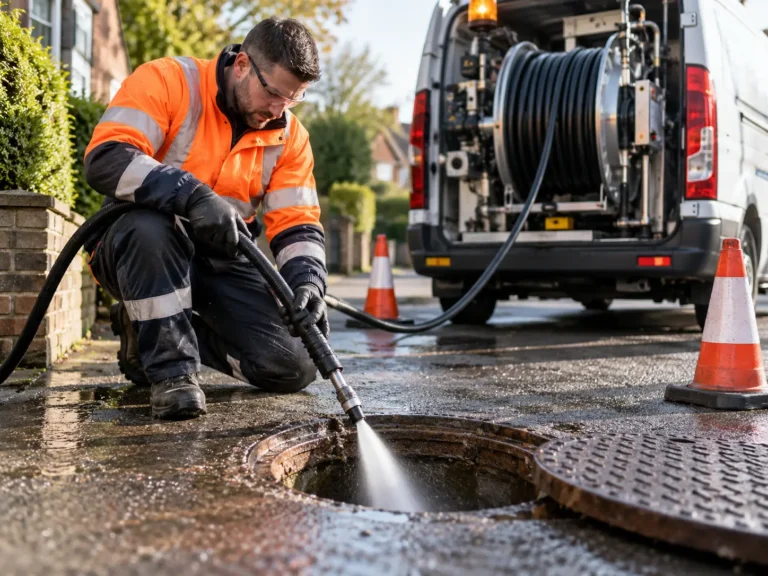
Scours grease, silt, scale and roots off the pipe wall, rather than just making a hole through the blockage.
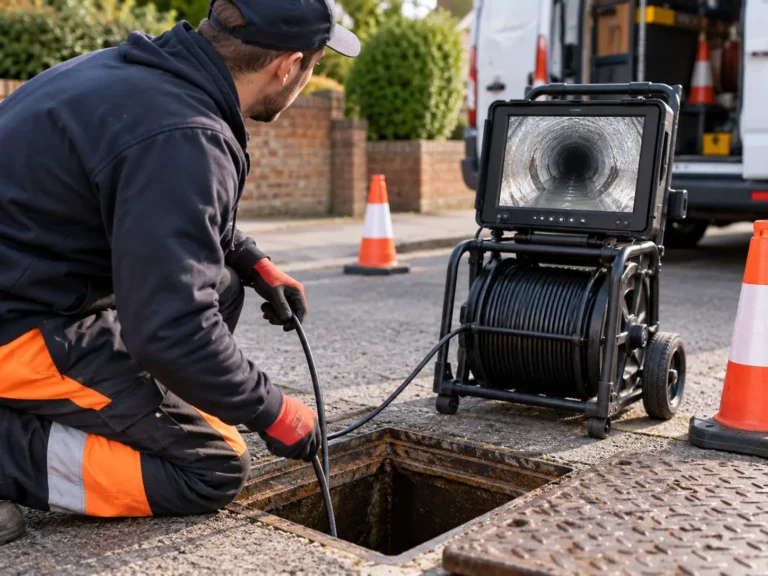
See the inside of the pipe: recurring blockages, pre-purchase checks, insurance and subsidence claims.
Cracked joints, root damage and collapsed sections, repaired without digging where the pipe allows.
Restaurants, pubs, offices, landlords and managing agents: planned maintenance and out-of-hours call-outs.
Leaks, taps, traps, toilet cisterns and waste pipes: the plumbing that often comes with a drainage job.
Common questions about drainage in Greenford, answered for the kind of property you find there.
That is a common pattern on flat ground. With very little fall, solids settle instead of being carried away, and the bore closes up gradually. It rarely fixes itself and it does eventually block completely, but at the slow stage it is much easier and cheaper to jet the run clean.

Silted yard gullies and interceptors are common culprits. They fill with grit, leaf litter and whatever the yard carries, and because nothing goes wrong in dry weather they get forgotten until a downpour puts water where it should not be. Clearing them on a schedule is far cheaper than dealing with a flooded yard.
Call and speak to the engineer, 24 hours a day, including tonight.