Kilburn has mansion blocks, tall terraces and basement flats, with many households sharing the same drainage.
Height is a big factor in NW6. A Victorian mansion block or a converted four-storey terrace can put several kitchens and bathrooms on a single soil stack, and a blockage low in that stack affects everyone above it. It also means the lowest flat carries the risk: when a stack backs up, waste takes the lowest available opening, which is often a basement or lower-ground flat. Tenants and leaseholders in those flats have the most to lose from a problem they did not cause.
Below ground, shared drains between neighbouring properties are common, and many have been Thames Water’s responsibility since 2011. Establishing whether a blockage is on a private stack, a shared run or the water company’s lateral drain is often a valuable part of the visit, because it decides who pays. Parts of Queen’s Park are conservation areas, where no-dig lining is often the more practical repair.
Several households on one soil stack. A blockage low down affects every flat above it.
Waste backs up through the lowest opening, which is often a basement or lower-ground flat.
Neighbouring properties often share drains. Many became Thames Water’s responsibility in 2011, and checking saves the wrong person paying.
This page covers Kilburn and Queen’s Park (NW6). If your postcode is on the edge of this area, call and ask rather than assuming.
Call and speak to the engineer. 24 hours a day, including tonight.
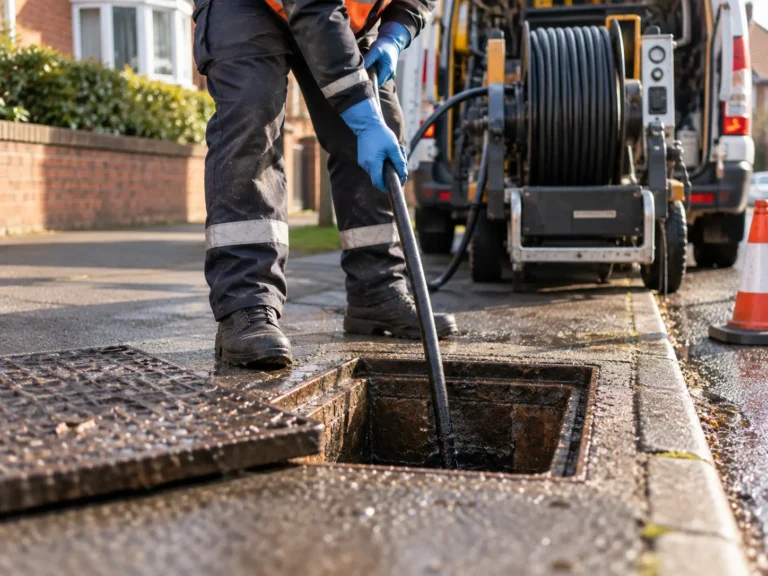
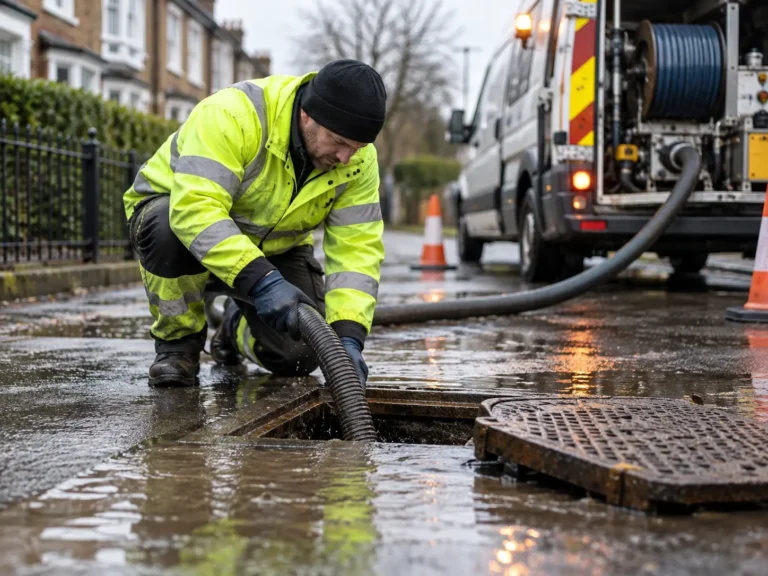
Sinks, toilets, gullies and main drains cleared, with the cause identified rather than guessed.
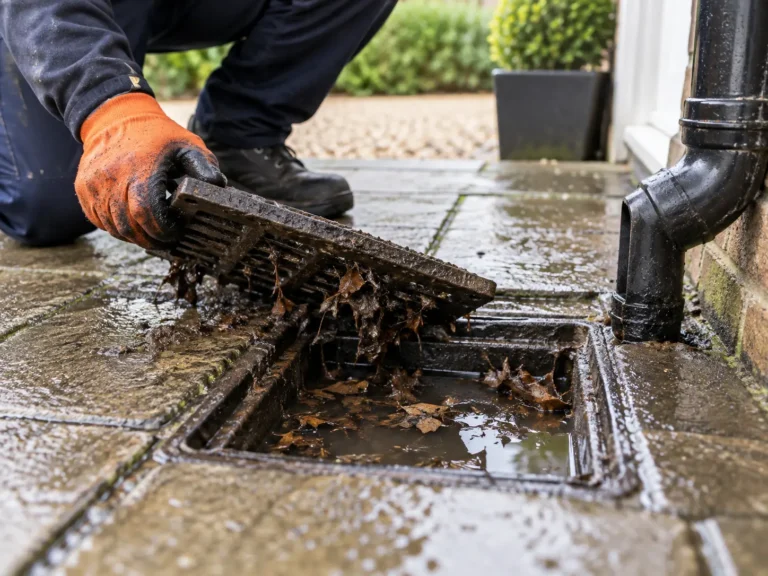
Overflowing gullies and blocked manholes or inspection chambers, cleared and explained.
Toilets that will not flush, or that fill up and will not drain, cleared without damaging the pan or the soil pipe.
Kitchen sinks and waste pipes blocked with grease, cleared properly rather than just poked through.
Standing water in the bath or shower tray, and slow bathroom basins, cleared at the cause.
Sewage backing up, drains overflowing, or a home or business you cannot use until it is fixed. Phone answered 24/7.
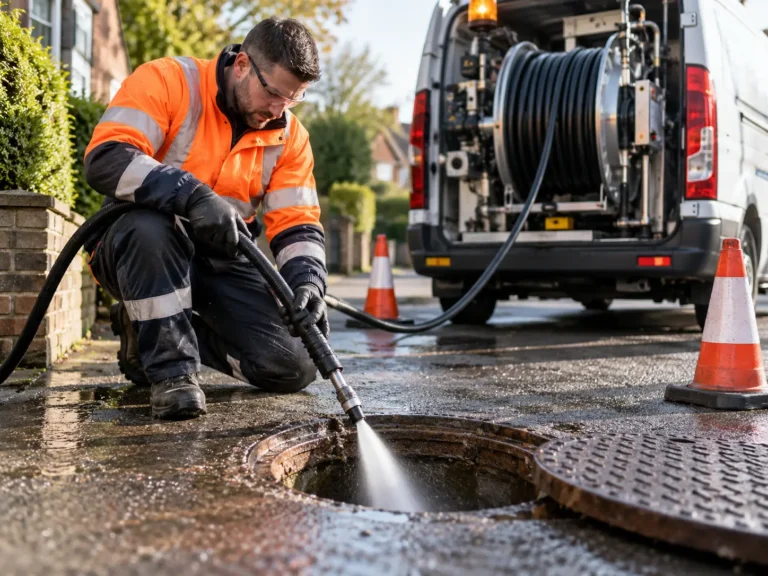
Scours grease, silt, scale and roots off the pipe wall, rather than just making a hole through the blockage.
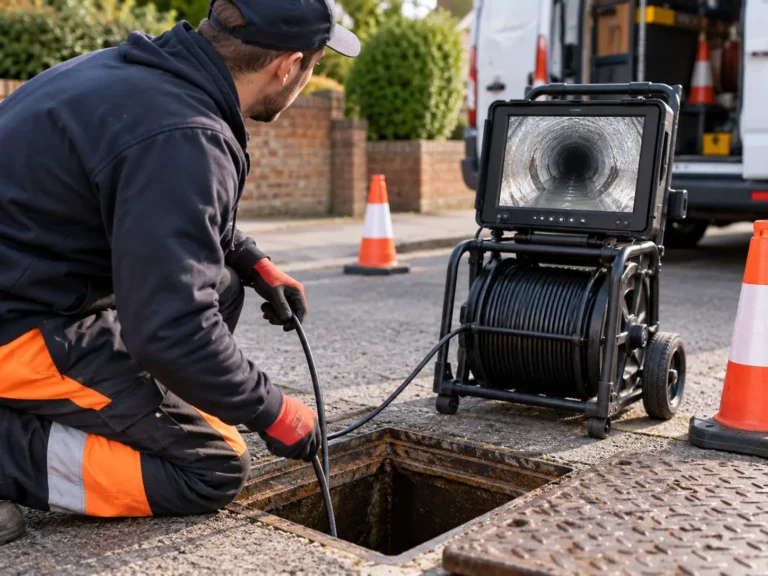
See the inside of the pipe: recurring blockages, pre-purchase checks, insurance and subsidence claims.
Cracked joints, root damage and collapsed sections, repaired without digging where the pipe allows.
Restaurants, pubs, offices, landlords and managing agents: planned maintenance and out-of-hours call-outs.
Leaks, taps, traps, toilet cisterns and waste pipes: the plumbing that often comes with a drainage job.
Common questions about drainage in Kilburn, answered for the kind of property you find there.
Not you, on the face of it. If the stack serves the whole building it is a freeholder or managing agent matter; if the blockage is on a shared drain beyond the building’s grounds, it is likely to be Thames Water’s. What matters is evidence, so we record exactly where the blockage sat and which flats discharge above it. That is what stops the bill landing on the flat that suffered the damage.

No. Repeated blockages in the same stack usually mean a defect is catching debris, often a badly-made connection from a conversion or a build-up the last clearance only punched through. A camera up the stack will show it, and it is often cheaper than paying for more clearances.
Call and speak to the engineer, 24 hours a day, including tonight.