Ealing is known as the Queen of the Suburbs for its tree-lined streets and large Victorian and Edwardian houses, and both affect the drains underneath.
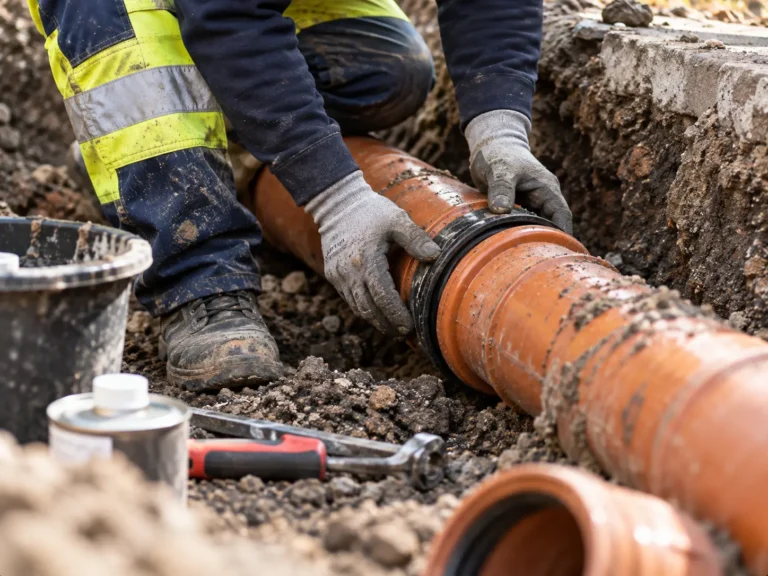
Much of W5 and W13 was built between the 1880s and the 1910s on salt-glazed clay pipework laid in short sections with mortar joints, and those joints have now had well over a century of ground movement. Ealing also has plenty of mature street trees, particularly around Ealing Common, Northfields and South Ealing. A mature tree sends roots a long way in search of water, and a leaking joint is exactly what it is looking for. Roots getting into old clay joints are a common cause of repeat blockages here, and a CCTV drain survey shows which joint they are coming through.
The other Ealing pattern is conversion. Many of the larger houses around the Broadway and Ealing Common were divided into flats decades ago, often with the original single-household drainage left much as it was. Several kitchens and bathrooms can now drain into pipework designed for one household, and shared soil stacks in these buildings need clearing carefully, because pushing a blockage down from a top-floor flat can put it into the ground-floor one.
A common problem in W5 and W13. Jetting clears the roots; sealing the joint they came through is what stops them returning.
Original drainage carrying several flats. Needs clearing from the right point so waste is not pushed into the flat below.
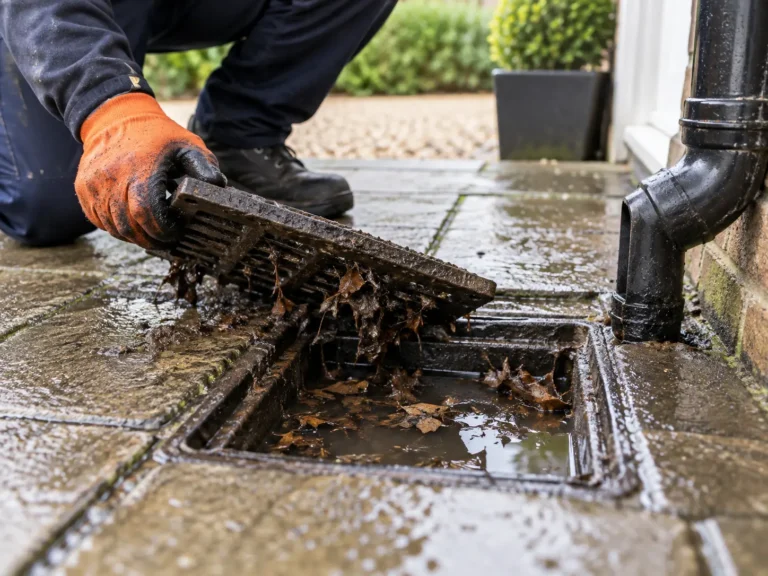
Leaves from street and garden trees fill gully pots in autumn. An annual clear before winter costs far less than an overflow.
This page covers Ealing, South Ealing and Northfields (W5, W13). If your postcode is on the edge of this area, call and ask rather than assuming.
Call and speak to the engineer. 24 hours a day, including tonight.
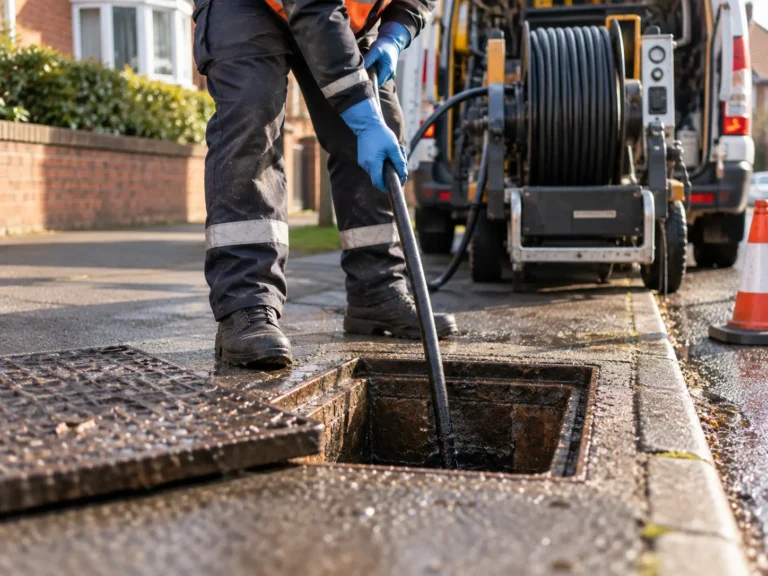
Sinks, toilets, gullies and main drains cleared, with the cause identified rather than guessed.
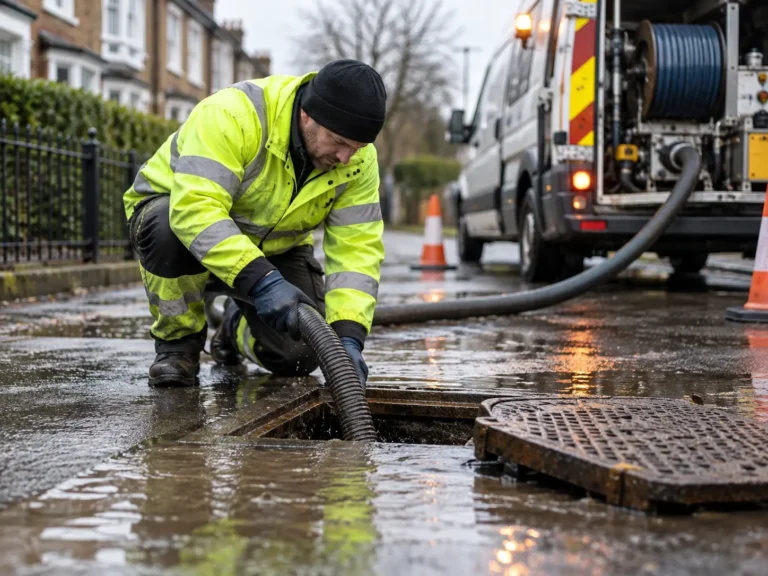
Overflowing gullies and blocked manholes or inspection chambers, cleared and explained.
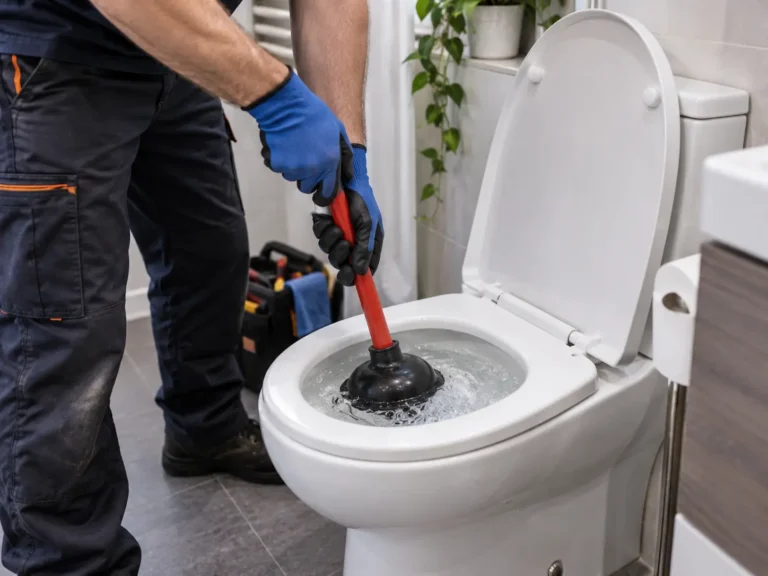
Toilets that will not flush, or that fill up and will not drain, cleared without damaging the pan or the soil pipe.
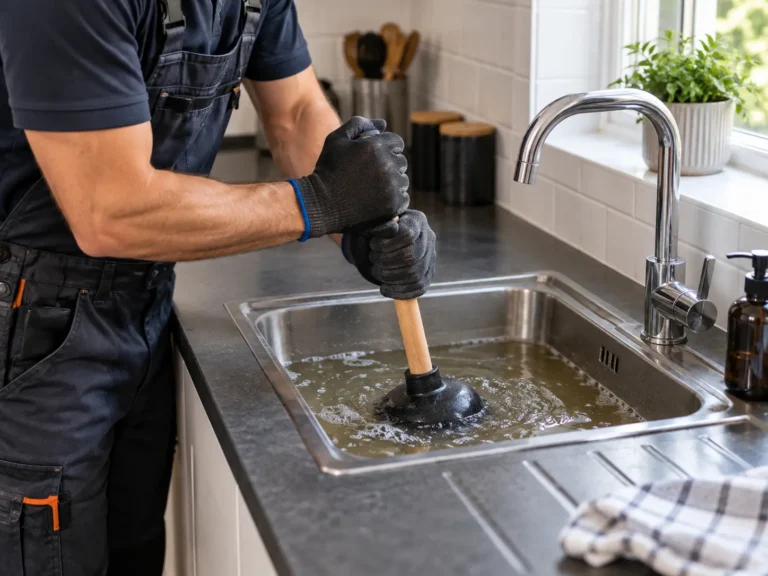
Kitchen sinks and waste pipes blocked with grease, cleared properly rather than just poked through.
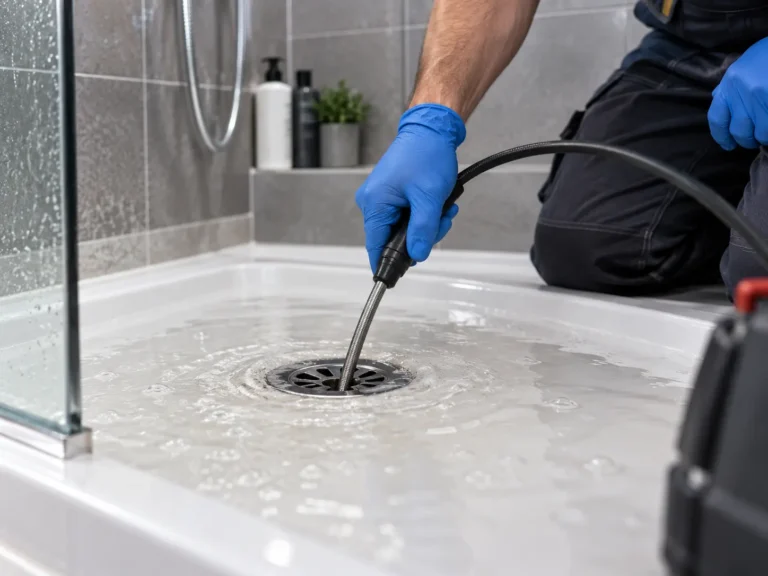
Standing water in the bath or shower tray, and slow bathroom basins, cleared at the cause.
Sewage backing up, drains overflowing, or a home or business you cannot use until it is fixed. Phone answered 24/7.
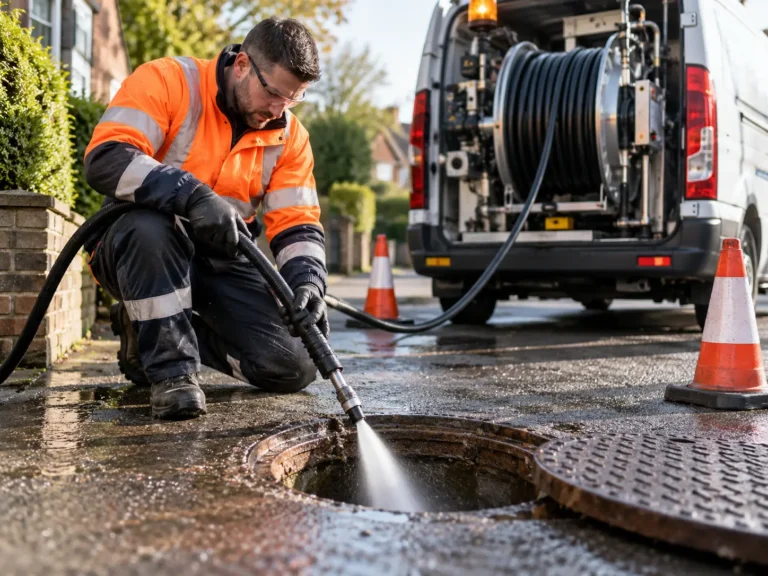
Scours grease, silt, scale and roots off the pipe wall, rather than just making a hole through the blockage.
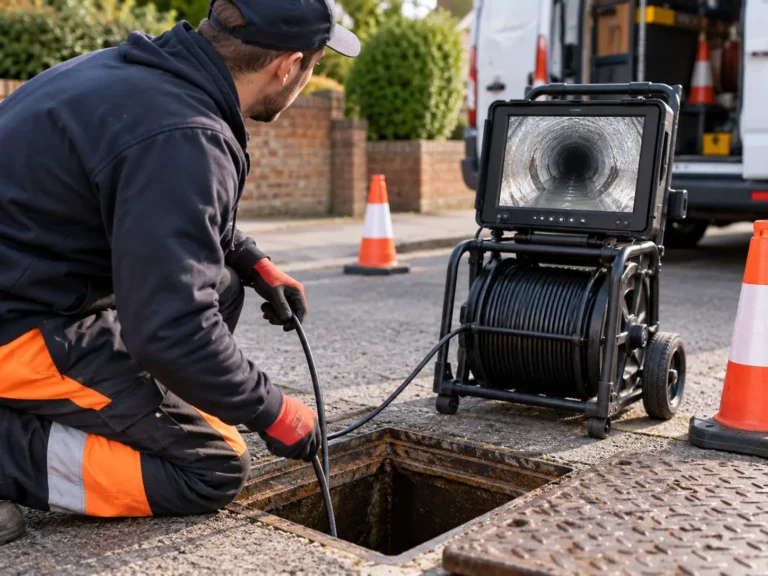
See the inside of the pipe: recurring blockages, pre-purchase checks, insurance and subsidence claims.
Cracked joints, root damage and collapsed sections, repaired without digging where the pipe allows.
Restaurants, pubs, offices, landlords and managing agents: planned maintenance and out-of-hours call-outs.
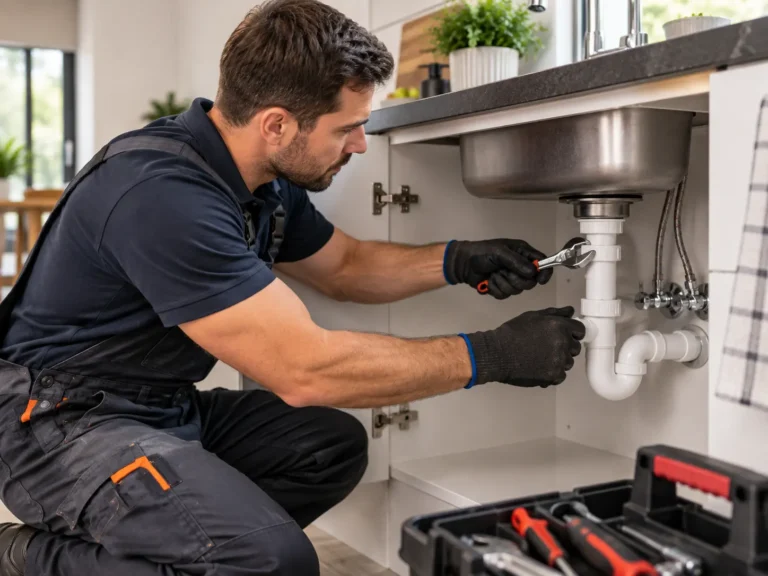
Leaks, taps, traps, toilet cisterns and waste pipes: the plumbing that often comes with a drainage job.
Common questions about drainage in Ealing, answered for the kind of property you find there.
Often roots. Ealing’s mature street trees send roots towards any leaking joint, and W5 and W13 have a lot of Victorian clay pipework with mortar joints that have opened over the last century. Jetting clears the roots and restores flow, but the joint they came through is still open, so they return. A camera survey will show which joint it is, and sealing that is what stops the cycle.

That depends on your lease, but the stack serves the whole building, so it is usually a freeholder or managing agent matter rather than yours alone. What we can do is establish exactly where the blockage sat and which flats discharge above it, which is the information needed to settle who pays.
Call and speak to the engineer, 24 hours a day, including tonight.