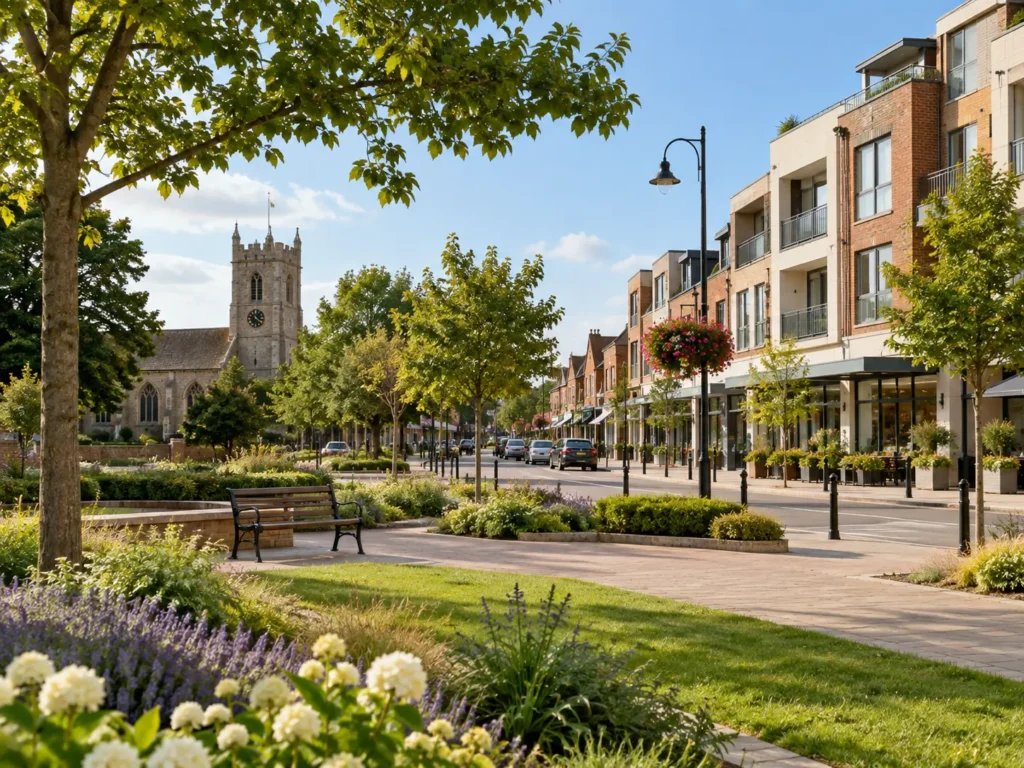
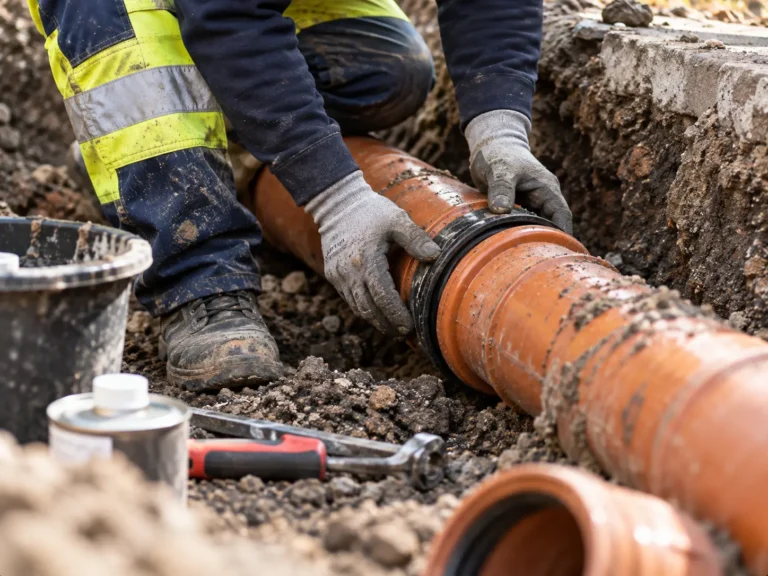
Feltham, Hanworth and Bedfont sit on flat, low-lying ground near the River Crane and Heathrow, where surface water can be as much of an issue as foul drainage.
Much of the housing in TW13 and TW14 is post-war, built on land with very little natural fall. Drainage laid across ground that flat has minimal gradient, so it depends on volume rather than slope to keep itself clean, and anything that settles tends to stay settled. Some of it is concrete pipe as well as clay, and concrete pipe fails differently to clay: rather than opening at the joints it erodes along the invert, the channel at the bottom where the flow runs, leaving a rough surface that catches everything passing over it.
The other Feltham issue is water arriving from outside. The River Crane, the Longford River and local ditches run through the area, and once the ground is saturated it drains slowly. In heavy rain surface water systems fill quickly, gullies back up, and in places where surface and foul drainage were combined or later cross-connected, that pressure ends up in the foul system. Near the airport, large areas of hardstanding send rainwater into the drains quickly.
Post-war estates laid on level land. Solids settle instead of being carried away, so drains silt up gradually.
Post-war concrete pipe wears along the channel at the bottom, leaving a rough surface that snags debris.
Low ground and a lot of hardstanding. Gullies and interceptors need clearing before winter, not after.
This page covers Feltham, Hanworth, Bedfont and Hatton (TW13, TW14). If your postcode is on the edge of this area, call and ask rather than assuming.
Call and speak to the engineer. 24 hours a day, including tonight.
Sinks, toilets, gullies and main drains cleared, with the cause identified rather than guessed.
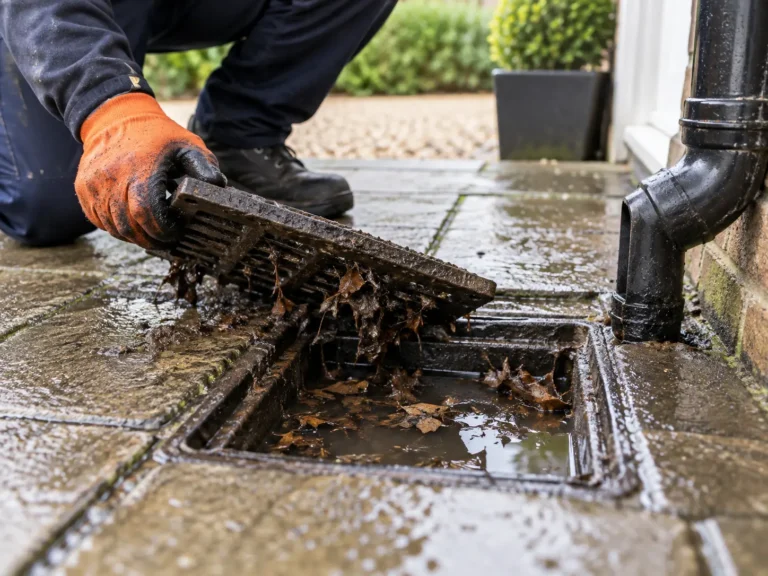
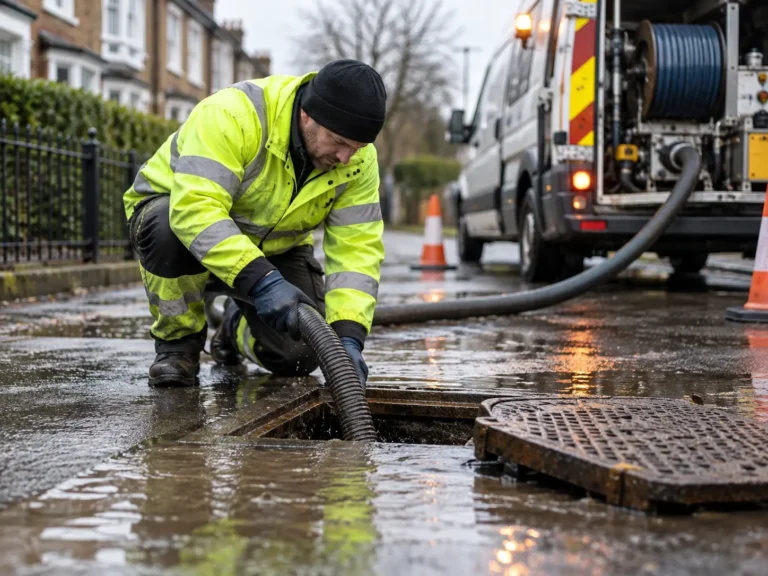
Overflowing gullies and blocked manholes or inspection chambers, cleared and explained.
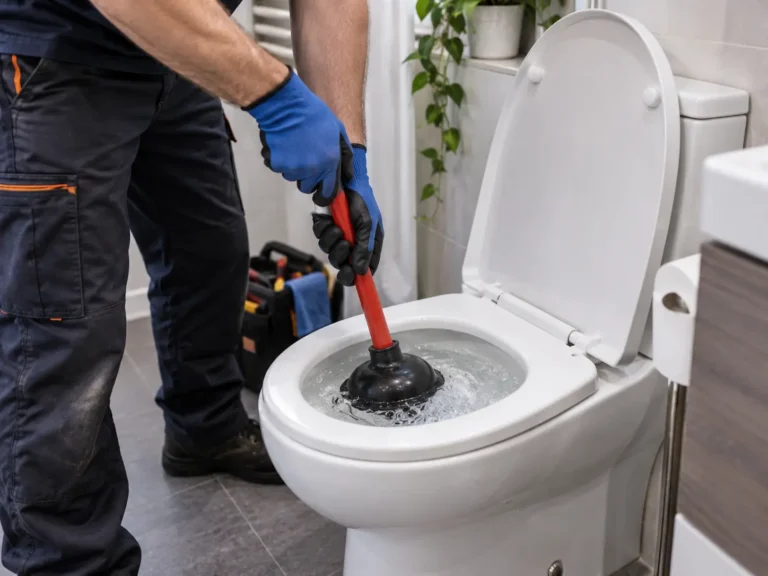
Toilets that will not flush, or that fill up and will not drain, cleared without damaging the pan or the soil pipe.
Kitchen sinks and waste pipes blocked with grease, cleared properly rather than just poked through.
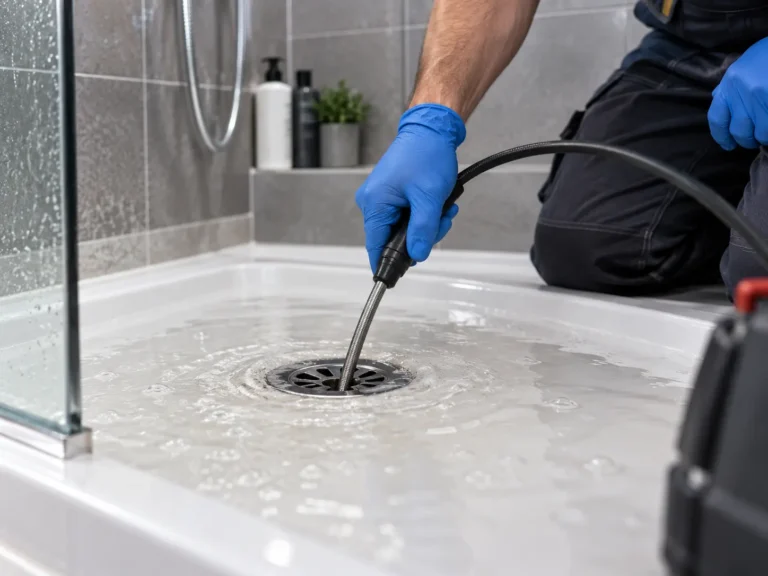
Standing water in the bath or shower tray, and slow bathroom basins, cleared at the cause.
Sewage backing up, drains overflowing, or a home or business you cannot use until it is fixed. Phone answered 24/7.
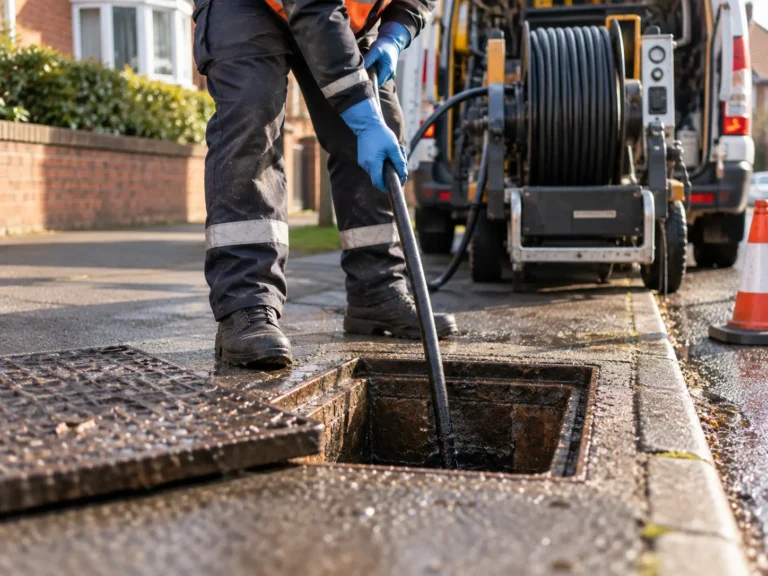
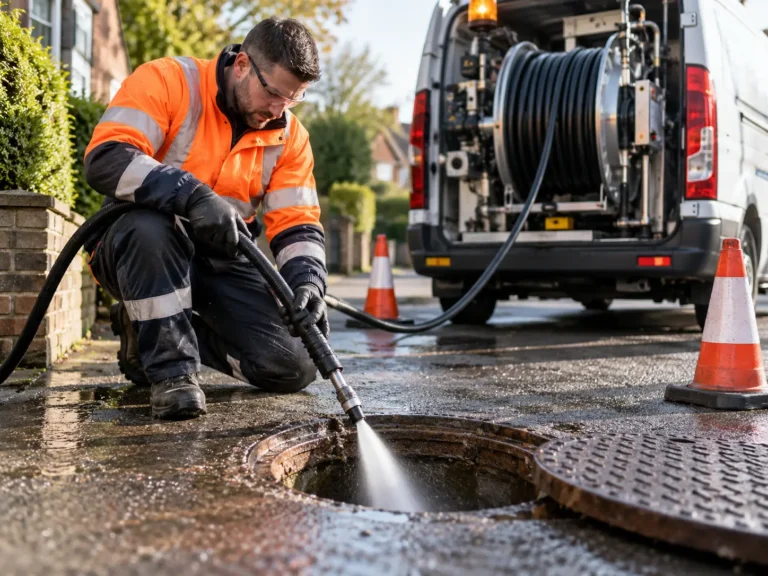
Scours grease, silt, scale and roots off the pipe wall, rather than just making a hole through the blockage.
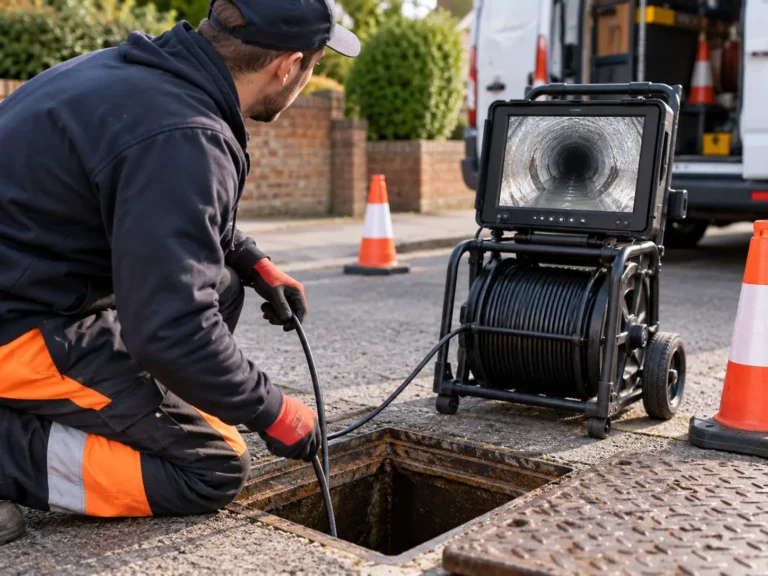
See the inside of the pipe: recurring blockages, pre-purchase checks, insurance and subsidence claims.
Cracked joints, root damage and collapsed sections, repaired without digging where the pipe allows.
Restaurants, pubs, offices, landlords and managing agents: planned maintenance and out-of-hours call-outs.
Leaks, taps, traps, toilet cisterns and waste pipes: the plumbing that often comes with a drainage job.
Common questions about drainage in Feltham, answered for the kind of property you find there.
Often it is capacity rather than a blockage. On flat, low-lying ground, heavy rain can fill the surface water system faster than it can drain, and it backs up at the gullies. Clearing silt out of the gullies and the connecting pipes buys back a lot of that capacity, and it is worth doing before winter rather than during it.

Clay opens up at the joints, so you get root ingress and displaced sections. Concrete tends to stay in one piece but erodes along the invert, the channel at the bottom where flow is constant. That leaves a rough, worn surface that catches debris, so the drain can block more often before anything looks structurally wrong.
Call and speak to the engineer, 24 hours a day, including tonight.